




As a supplier of Electroplate Special Activated Carbon, I often encounter various questions from customers. One of the most frequently asked questions is: "What is the color of electroplate special activated carbon?" In this blog post, I will delve into this topic, exploring the factors that influence the color of electroplate special activated carbon and its significance in the electroplating industry.
Understanding Electroplate Special Activated Carbon
Before we discuss the color, let's first understand what electroplate special activated carbon is. Electroplate special activated carbon is a high - performance adsorbent specifically designed for the electroplating process. It is used to remove impurities, organic matter, and heavy metals from electroplating solutions, ensuring the quality and stability of the electroplating process.
Activated carbon is produced by heating carbon - rich materials such as coconut shells, coal, or wood in the absence of air, followed by an activation process. This creates a highly porous structure with a large surface area, which gives activated carbon its excellent adsorption properties.
The Color of Electroplate Special Activated Carbon
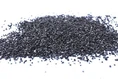
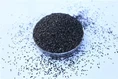
The color of electroplate special activated carbon is typically black. This black color is mainly due to the nature of the carbon material itself. Carbon is a black - colored element, and when it is processed into activated carbon, the black color persists.
However, the shade of black can vary. High - quality electroplate special activated carbon usually has a deep, uniform black color. This indicates a well - developed pore structure and a high degree of carbonization. A dull or uneven black color may suggest impurities or an incomplete activation process.
There are several factors that can affect the color of electroplate special activated carbon:
Raw Materials
The type of raw material used to produce the activated carbon plays a significant role in determining its color. For example, activated carbon made from coconut shells often has a more consistent and rich black color compared to that made from coal. Coconut shell - based activated carbon is known for its high purity and fine pore structure, which contribute to its deep black appearance.


Activation Process
The activation process is crucial for the development of the pore structure and the final properties of the activated carbon. If the activation process is not carried out properly, it can lead to an inconsistent color. For instance, insufficient activation may result in a lighter - colored activated carbon with fewer pores, while over - activation can cause the carbon to become brittle and may also affect its color.
Impurities
The presence of impurities in the raw materials or during the production process can also affect the color of the activated carbon. Impurities such as minerals or metals can cause discoloration, making the activated carbon appear less black or have a mottled appearance. High - quality electroplate special activated carbon is carefully processed to minimize the presence of impurities, ensuring a pure and consistent black color.
Significance of Color in Electroplate Special Activated Carbon
The color of electroplate special activated carbon is not just a visual characteristic; it can also provide valuable information about its quality and performance.
Quality Indicator
As mentioned earlier, a deep, uniform black color is often associated with high - quality electroplate special activated carbon. This type of activated carbon has a well - developed pore structure, which means it has a large surface area for adsorption. A large surface area allows the activated carbon to effectively remove impurities from the electroplating solution, improving the quality of the electroplating process.
Adsorption Performance
The color can also be an indicator of the adsorption performance of the activated carbon. Activated carbon with a consistent black color is more likely to have a stable adsorption capacity. This is important in the electroplating industry, where consistent removal of impurities is essential for maintaining the quality of the electroplated products.
Other Types of Activated Carbon in Related Industries
In addition to electroplate special activated carbon, there are other types of activated carbon used in related industries. For example, Petrochemical Special Activated Carbon is designed for use in the petrochemical industry. It is used to remove sulfur compounds, aromatics, and other impurities from petroleum products.
Nut Shell Gold Recovery Carbon is specifically used for gold recovery from mining solutions. It has a high affinity for gold ions, allowing for efficient extraction of gold from the solution.
Tail Liquid Recycle Activated Carbon is used for recycling tail liquids in various industries. It helps to remove contaminants from the tail liquids, making them suitable for reuse.
Conclusion and Call to Action
In conclusion, the color of electroplate special activated carbon is typically black, and the shade and uniformity of the black color can provide important information about its quality and performance. As a supplier of electroplate special activated carbon, we are committed to providing high - quality products with a deep, uniform black color, indicating excellent adsorption properties.
If you are in the electroplating industry or related fields and are looking for high - quality activated carbon products, we invite you to contact us for procurement and further discussions. Our team of experts is ready to assist you in finding the most suitable activated carbon solution for your specific needs.
References
- "Activated Carbon: Adsorption Technology and Applications" by John Smith
- "Electroplating Handbook" by David Brown