


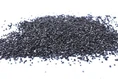

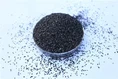
Hey there! As a supplier of Coal Columnar Activated Carbon, I often get asked about the BET surface area of this product. So, I thought I'd write this blog to share some insights on what BET surface area is, why it matters for coal columnar activated carbon, and how it affects the performance of the product.
First off, let's talk about what BET surface area actually is. The BET (Brunauer–Emmett–Teller) theory is a commonly used method for measuring the specific surface area of a porous material. In simple terms, the BET surface area tells us how much surface area is available for adsorption on a given amount of activated carbon. It's measured in square meters per gram (m²/g). The higher the BET surface area, the more adsorption sites there are on the activated carbon, which generally means better adsorption performance.


Now, why is the BET surface area so important for coal columnar activated carbon? Well, activated carbon is widely used for adsorption processes, such as removing impurities, contaminants, and odors from gases and liquids. The adsorption capacity of activated carbon largely depends on its surface area. A larger BET surface area allows the activated carbon to come into contact with more molecules of the substances being adsorbed, increasing the efficiency of the adsorption process.
For example, in the water treatment industry, coal columnar activated carbon with a high BET surface area can effectively remove organic pollutants, heavy metals, and chlorine from water. In the air purification field, it can adsorb volatile organic compounds (VOCs), odorous gases, and particulate matter. In the food and beverage industry, it's used to decolorize, deodorize, and purify liquids like Liquor Special Activated Carbon.
The BET surface area of coal columnar activated carbon can vary depending on several factors. One of the main factors is the raw material used. Coal, as the raw material for this type of activated carbon, can have different qualities and compositions. High - quality coal with a suitable carbon content and structure can produce activated carbon with a relatively high BET surface area.
The activation process also plays a crucial role. There are two main activation methods: physical activation and chemical activation. Physical activation usually involves heating the coal in the presence of an activating agent such as steam or carbon dioxide. Chemical activation, on the other hand, uses chemicals like phosphoric acid or potassium hydroxide. The choice of activation method and the specific process parameters, such as temperature, time, and the amount of activating agent, can significantly affect the BET surface area of the final product.
In general, the BET surface area of coal columnar activated carbon can range from a few hundred m²/g to over 1000 m²/g. For some high - end products, the BET surface area can even reach 1200 m²/g or more. However, it's important to note that a high BET surface area doesn't always guarantee the best performance. Other factors, such as pore size distribution, surface chemistry, and mechanical strength, also need to be considered.
Pore size distribution is closely related to the BET surface area. Activated carbon has different types of pores, including micropores (less than 2 nm), mesopores (2 - 50 nm), and macropores (greater than 50 nm). Micropores contribute the most to the BET surface area, but mesopores and macropores are also important for the diffusion of adsorbate molecules into the interior of the activated carbon. A well - balanced pore size distribution is necessary for efficient adsorption.
The surface chemistry of activated carbon can also affect its adsorption performance. The surface can have different functional groups, such as oxygen - containing groups (e.g., carboxyl, hydroxyl, and carbonyl groups). These functional groups can interact with specific adsorbates through chemical bonding or electrostatic forces, enhancing the adsorption selectivity.
Mechanical strength is another important factor, especially for applications where the activated carbon is used in a dynamic system, such as in a packed bed or a fluidized bed. Coal columnar activated carbon needs to have sufficient mechanical strength to resist abrasion and breakage during handling and operation. If the activated carbon breaks into smaller particles, it can cause problems such as pressure drop in the system and reduced adsorption efficiency.
As a supplier of Coal Columnar Activated Carbon, we understand the importance of these factors. We carefully select the raw materials and optimize the activation process to produce activated carbon with a high BET surface area, a suitable pore size distribution, and good surface chemistry and mechanical strength.
We also offer different grades of coal columnar activated carbon to meet the diverse needs of our customers. Whether you need activated carbon for water treatment, air purification, or other industrial applications, we can provide you with the right product.
In addition to coal columnar activated carbon, we also supply Coal Broken Activated Carbon, which has its own unique advantages and applications. Coal broken activated carbon has a more irregular shape and a higher external surface area, which can be beneficial for some applications where rapid adsorption is required.
If you're in the market for high - quality activated carbon, I encourage you to get in touch with us. We can provide you with detailed product information, samples for testing, and competitive pricing. Our team of experts is always ready to help you choose the most suitable activated carbon for your specific application. Whether you're a small - scale business or a large industrial enterprise, we're committed to providing you with the best service and products. So, don't hesitate to reach out and start a conversation about your activated carbon needs.
References
- "Activated Carbon: Surface Chemistry, Adsorption Kinetics, and Applications" by some well - known researchers in the field of activated carbon.
- Industry reports on the production and application of coal - based activated carbon.