



As a supplier of Wood Powdered Activated Carbon, I often get asked about its various properties, and one question that comes up frequently is about its abrasion resistance. In this blog post, I'll delve into what abrasion resistance means for wood powdered activated carbon, why it's important, and how it compares to other types of activated carbon.
Understanding Abrasion Resistance
Abrasion resistance refers to the ability of a material to withstand wear, scraping, or rubbing without significant loss of its physical or chemical properties. In the context of wood powdered activated carbon, abrasion resistance is crucial because during its production, transportation, and application, the carbon particles are likely to experience mechanical forces. These forces can cause the particles to break down, leading to a decrease in the carbon's effectiveness and potentially causing problems in the systems where it's used.
When wood powder is converted into activated carbon, it undergoes a series of processes, including carbonization and activation. The resulting activated carbon particles have a porous structure, which gives them a large surface area and excellent adsorption properties. However, this porous structure also makes the particles more vulnerable to abrasion. If the abrasion resistance is low, the particles can break into smaller pieces, reducing the overall surface area available for adsorption and potentially clogging filters or other equipment in the treatment process.
Factors Affecting the Abrasion Resistance of Wood Powdered Activated Carbon
Raw Material Quality
The quality of the wood used as the raw material plays a significant role in the abrasion resistance of the final activated carbon product. Different types of wood have different densities and fiber structures. Hardwoods, for example, generally have a higher density and a more tightly packed fiber structure compared to softwoods. As a result, activated carbon produced from hardwoods tends to have better abrasion resistance. Additionally, the age and growth conditions of the wood can also affect its properties. Older trees with a more developed fiber structure may yield activated carbon with enhanced abrasion resistance.
Activation Process
The activation process is another critical factor. There are two main methods of activation: physical activation and chemical activation. In physical activation, the carbonized wood is treated with steam or carbon dioxide at high temperatures. This method can create a well - developed porous structure while maintaining the integrity of the particles, leading to good abrasion resistance. Chemical activation, on the other hand, involves the use of chemicals such as phosphoric acid or zinc chloride. While chemical activation can produce activated carbon with a high surface area, improper chemical treatment or incomplete removal of chemicals can weaken the particles, reducing their abrasion resistance.
Particle Size and Shape
The size and shape of the wood powdered activated carbon particles also influence their abrasion resistance. Smaller particles generally have a higher surface - to - volume ratio, which means they are more likely to be affected by abrasion. Irregularly shaped particles may also be more prone to breakage compared to spherical or rounded particles. During the milling process, the way the wood powder is ground can affect the particle size and shape distribution. A well - controlled milling process can produce particles with a more uniform size and shape, improving the overall abrasion resistance of the activated carbon.
Importance of Abrasion Resistance in Different Applications
Water Treatment
In water treatment applications, wood powdered activated carbon is commonly used to remove organic pollutants, taste, and odor from water. The activated carbon particles are often added to water in a tank or a filter system. If the abrasion resistance is low, the particles can break down during the mixing and filtration processes. Broken particles can pass through the filters, leading to a decrease in the quality of the treated water. Moreover, the broken particles can accumulate in the filters, increasing the pressure drop and reducing the flow rate, which requires more frequent filter replacements and maintenance.
Air Purification
In air purification systems, wood powdered activated carbon is used to adsorb volatile organic compounds (VOCs), odors, and other pollutants from the air. The activated carbon is usually packed in filters or cartridges. High - abrasion resistance is essential to ensure that the carbon particles remain intact during the air - flow process. If the particles break down, they can be carried by the air stream, potentially causing secondary pollution and reducing the effectiveness of the air purification system.
Food and Beverage Industry
In the food and beverage industry, wood powdered activated carbon is used for decolorization, purification, and removal of impurities. The activated carbon must meet strict quality and safety standards. Low abrasion resistance can lead to the release of fine carbon particles into the food or beverage products, which is not only aesthetically unappealing but also poses a potential health risk. Therefore, high - quality wood powdered activated carbon with excellent abrasion resistance is required in this industry.
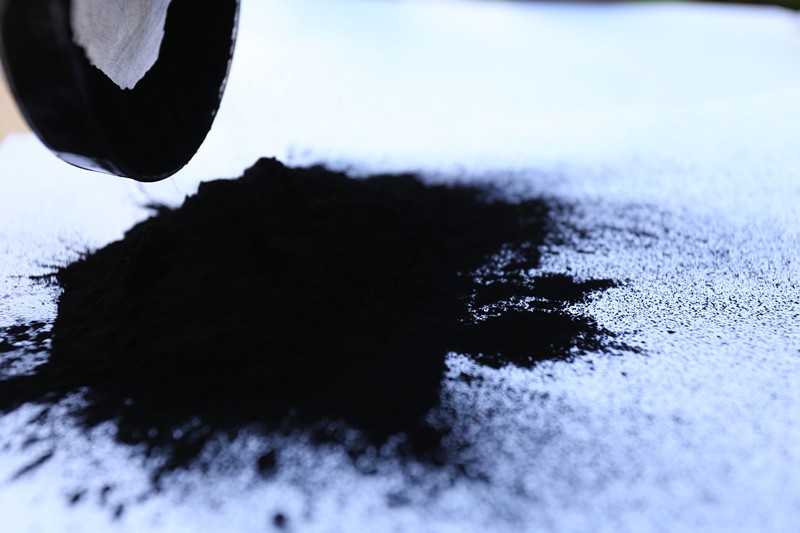
Comparison with Coal - Based Powdered Activated Carbon
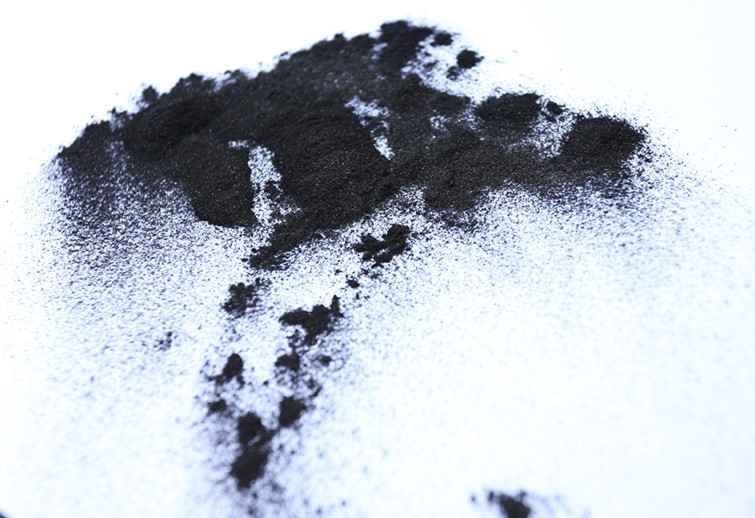
Coal - Based Powdered Activated Carbon is another commonly used type of activated carbon. In general, coal - based activated carbon has a higher density and a more rigid structure compared to wood powdered activated carbon. This often gives coal - based activated carbon better abrasion resistance. However, wood powdered activated carbon has its own advantages. It has a lower ash content, which means it produces less residue during use. It also has a faster adsorption rate for certain types of pollutants due to its more open porous structure.
The choice between wood powdered activated carbon and coal - based powdered activated carbon depends on the specific application requirements. If abrasion resistance is the primary concern and the application can tolerate a higher ash content, coal - based powdered activated carbon may be a better choice. However, if low ash content, fast adsorption rate, and environmental friendliness are important, Wood Powdered Activated Carbon is a suitable option.
Improving the Abrasion Resistance of Wood Powdered Activated Carbon
Optimizing the Raw Material Selection
As mentioned earlier, selecting high - quality wood with a suitable density and fiber structure is the first step in improving abrasion resistance. Conducting a thorough analysis of the wood source, including its species, age, and growth conditions, can help ensure the quality of the raw material.
Refining the Activation Process
Fine - tuning the activation process parameters, such as temperature, time, and gas flow rate in physical activation or the concentration and ratio of chemicals in chemical activation, can improve the abrasion resistance of the final product. For example, in chemical activation, carefully controlling the chemical dosage and ensuring complete removal of the chemicals after activation can strengthen the particles.
Particle Modification
Post - treatment processes can be used to modify the particle surface and structure to enhance abrasion resistance. For example, coating the particles with a thin layer of a protective material can prevent direct contact between the particles and the abrasive forces.
Conclusion
Abrasion resistance is an important property of wood powdered activated carbon. It affects the performance, durability, and applicability of the activated carbon in various industries. As a supplier, we are committed to producing high - quality wood powdered activated carbon with excellent abrasion resistance. By carefully selecting the raw materials, optimizing the activation process, and improving the particle properties, we can meet the diverse needs of our customers.
If you are in the market for wood powdered activated carbon and are interested in discussing your specific requirements, please don't hesitate to reach out. We are here to provide you with the best - suited products and solutions.
References
- Activated Carbon: Science and Technology, by Klaus K. Unger, Joachim M. Messmer, and Reinhard T. K. Kwak.
- Handbook of Adsorption Technology for Water and Wastewater Treatment, edited by Y. S. Ho and G. McKay.
- "Characterization and Adsorption Properties of Wood - Based Activated Carbon," Journal of Environmental Science and Health.