




As a supplier of Waterproof Honeycomb Activated Carbon, I am often asked about the safety precautions when using this remarkable product. In this blog, I will delve into the essential safety measures that users should take to ensure a secure and efficient experience with Waterproof Honeycomb Activated Carbon.
Understanding Waterproof Honeycomb Activated Carbon
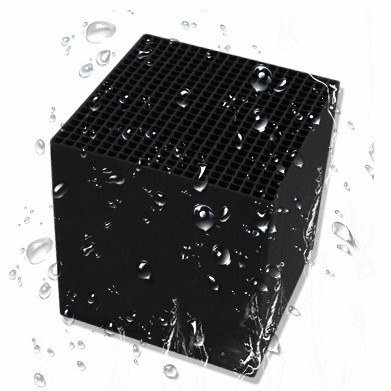
Before we discuss safety precautions, let's briefly understand what Waterproof Honeycomb Activated Carbon is. It is an advanced form of activated carbon with a unique honeycomb structure. This structure provides a large surface area for adsorption, making it highly effective in removing various pollutants from air and water. Unlike Common Honeycomb Activated Carbon, the waterproof variant is specifically designed to maintain its performance even in humid or wet conditions. You can find more details about our Waterproof Honeycomb Activated Carbon on our website.
Personal Protective Equipment (PPE)
When handling Waterproof Honeycomb Activated Carbon, wearing appropriate personal protective equipment is crucial. Here are the key PPE items:
- Gloves: Always wear chemical - resistant gloves when handling the carbon. This protects your hands from direct contact with the carbon, which can cause skin irritation. Some activated carbons may also adsorb chemicals from your skin, which could potentially contaminate the carbon and reduce its effectiveness.
- Masks: A dust mask or a respirator should be worn, especially when cutting, grinding, or handling the carbon in a way that generates dust. Inhalation of activated carbon dust can cause respiratory problems, such as coughing, shortness of breath, and in severe cases, damage to the lungs.
- Safety Goggles: Protect your eyes from any potential splashes or dust particles. If activated carbon gets into your eyes, it can cause irritation and damage to the delicate eye tissues.
Storage Safety
Proper storage of Waterproof Honeycomb Activated Carbon is essential to maintain its quality and safety:
- Dry Environment: Store the carbon in a dry place. Although it is waterproof, prolonged exposure to excessive moisture can still affect its performance over time. Moisture can cause the carbon to clump together, reducing its effective surface area for adsorption.
- Sealed Containers: Keep the carbon in sealed containers to prevent contamination from dust, dirt, and other pollutants. This also helps to maintain its adsorption capacity.
- Separation from Incompatible Substances: Do not store the carbon near substances that can react with it. For example, strong oxidizing agents can cause a chemical reaction with activated carbon, which may lead to fire or explosion.
Handling and Installation Safety
When handling and installing Waterproof Honeycomb Activated Carbon, the following safety measures should be followed:
- Lifting and Moving: Use proper lifting techniques to avoid back injuries. The carbon blocks can be heavy, especially in large quantities. If possible, use mechanical aids such as forklifts or pallet jacks to move the carbon.
- Installation in Well - Ventilated Areas: When installing the carbon in air purification systems, make sure the area is well - ventilated. This helps to prevent the buildup of any desorbed pollutants during the installation process.
- Avoiding Physical Damage: Handle the carbon blocks carefully to avoid cracking or breaking them. Damaged carbon blocks may have reduced adsorption efficiency and can also release small particles into the environment.
Use in Different Environments
The safety precautions may vary depending on the environment in which the Waterproof Honeycomb Activated Carbon is used:
- Industrial Settings: In industrial settings, where the carbon is used for large - scale air and water purification, additional safety measures may be required. For example, regular monitoring of the carbon's performance and the air quality in the area is necessary. Workers should also be trained on the proper use and maintenance of the carbon filtration systems.
- Residential Settings: In residential settings, the carbon is often used in air purifiers or small - scale water filters. Users should follow the manufacturer's instructions carefully. Keep the carbon out of reach of children and pets to prevent accidental ingestion.
Fire and Explosion Safety
Although Waterproof Honeycomb Activated Carbon is generally considered non - flammable, it can act as a fuel when in contact with certain substances under certain conditions.
- Avoiding Ignition Sources: Keep the carbon away from open flames, sparks, and high - temperature sources. If the carbon is exposed to high heat, it may undergo combustion, especially if it has adsorbed flammable substances.
- Proper Ventilation: Ensure proper ventilation in areas where the carbon is being used. This helps to prevent the accumulation of flammable vapors, which could potentially cause an explosion.
Disposal Safety
When it comes to disposing of used Waterproof Honeycomb Activated Carbon, the following steps should be taken:
- Check Local Regulations: Familiarize yourself with the local regulations regarding the disposal of activated carbon. In some areas, it may be considered hazardous waste, especially if it has adsorbed toxic substances.
- Safe Disposal Methods: If the carbon is not contaminated with hazardous substances, it can often be disposed of in a landfill. However, if it has adsorbed chemicals such as heavy metals or volatile organic compounds, it may need to be treated and disposed of at a specialized waste disposal facility.
Maintenance Safety
Regular maintenance of the equipment using Waterproof Honeycomb Activated Carbon is necessary for its long - term performance and safety:
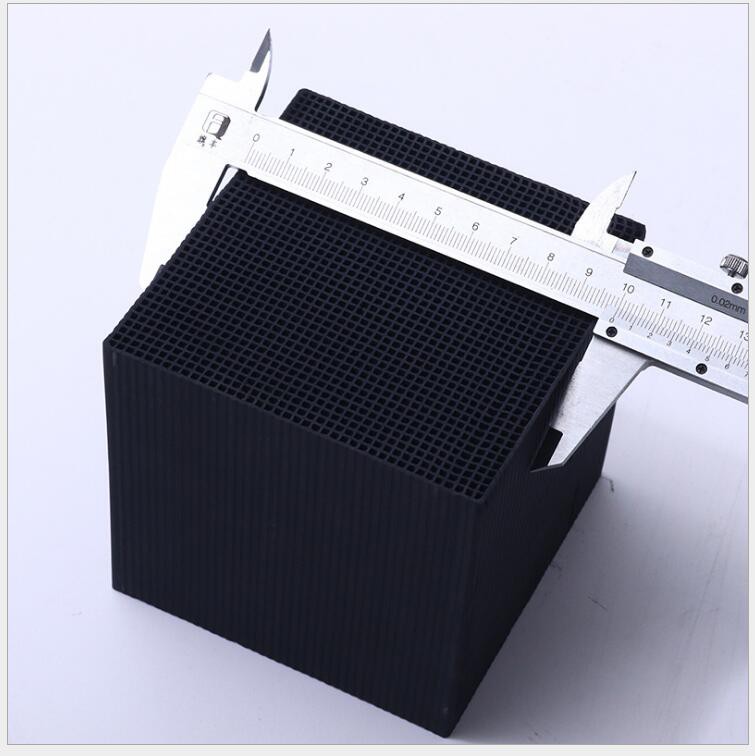
- Inspection: Periodically inspect the carbon blocks for signs of wear, damage, or saturation. Replace the carbon blocks as recommended by the manufacturer to ensure optimal performance.
- Cleaning: When cleaning the carbon filtration systems, follow the proper procedures. Use appropriate cleaning agents and tools to avoid damaging the carbon. Do not use abrasive materials that can scratch the surface of the carbon and reduce its adsorption capacity.
Emergency Response
Despite taking all the necessary safety precautions, emergencies can still occur. It is important to have an emergency response plan in place:
- First Aid: In case of skin contact, immediately wash the affected area with plenty of water. If the carbon gets into the eyes, flush the eyes with water for at least 15 minutes and seek medical attention. In case of inhalation, move the person to a well - ventilated area and seek medical help if breathing difficulties persist.
- Fire and Explosion Response: If a fire occurs involving the carbon, use appropriate fire - fighting equipment. For small fires, a dry powder fire extinguisher may be sufficient. In case of a large fire, evacuate the area and call the fire department.
Conclusion
Using Waterproof Honeycomb Activated Carbon safely requires a combination of proper handling, storage, use, and disposal practices. By following the safety precautions outlined in this blog, you can ensure a safe and efficient experience with this excellent adsorption material.
If you are interested in purchasing Waterproof Honeycomb Activated Carbon or have any questions about its safety or application, feel free to contact us for a detailed discussion. We are committed to providing high - quality products and professional advice to meet your needs.
References
- "Activated Carbon Handbook", by [Author]
- Industry standards and guidelines related to activated carbon use and safety.