




Quality control is a critical aspect of producing petrochemical special activated carbon, ensuring that the final product meets the high - standards required for various petrochemical applications. As a supplier of petrochemical special activated carbon, we implement a series of comprehensive quality control measures throughout the production process.
Raw Material Selection
The quality of petrochemical special activated carbon starts with the selection of raw materials. We carefully choose high - quality carbonaceous materials, such as coconut shells, coal, and wood. Coconut shell - based activated carbon, for example, is known for its high hardness, large specific surface area, and excellent adsorption performance. We source our coconut shells from regions with a reputation for producing high - quality coconuts, ensuring that the starting material has the necessary characteristics.
We conduct strict inspections on the raw materials upon arrival at our facility. Physical properties such as particle size, moisture content, and ash content are measured. Chemical analyses are also performed to determine the elemental composition and the presence of any impurities. Only raw materials that meet our pre - determined quality criteria are used in the production process. For instance, the moisture content of the raw coconut shells should be below a certain level to ensure efficient carbonization and activation processes.
Carbonization Process Control
The carbonization process is the first major step in the production of activated carbon. During carbonization, the raw materials are heated in an oxygen - limited environment to convert them into a carbonaceous char. We control the temperature, heating rate, and residence time during carbonization to ensure consistent quality.
The temperature is carefully regulated within a specific range. Too low a temperature may result in incomplete carbonization, leaving behind volatile components in the char. On the other hand, too high a temperature can cause excessive burning and reduce the yield of the char. We use advanced temperature sensors and control systems to maintain the temperature accurately.
The heating rate also plays a crucial role. A slow heating rate allows for a more uniform carbonization process, resulting in a char with better pore structure. We monitor the heating rate continuously and adjust it as needed. The residence time in the carbonization furnace is determined based on the type of raw material and the desired properties of the final activated carbon.
Activation Process Management
Activation is the process that gives activated carbon its high porosity and large surface area. We use two main activation methods: physical activation and chemical activation.
In physical activation, the carbonized char is further heated in the presence of an activating agent such as steam or carbon dioxide. We control the flow rate, temperature, and pressure of the activating agent. The flow rate of steam, for example, affects the rate of pore formation. A higher flow rate can lead to the formation of larger pores, while a lower flow rate may result in smaller pores.
The temperature during physical activation is typically higher than that during carbonization. We maintain a precise temperature to ensure optimal activation. Pressure also needs to be controlled to prevent the collapse of the pore structure.
In chemical activation, chemicals such as phosphoric acid or potassium hydroxide are used. We carefully measure the amount of the activating chemical and ensure uniform mixing with the carbonized char. The concentration of the chemical solution, the impregnation time, and the subsequent washing steps are all closely monitored. After activation, the activated carbon is thoroughly washed to remove any residual chemicals.
Quality Testing during Production
Throughout the production process, we conduct regular quality tests on the intermediate products. These tests include measuring the iodine number, methylene blue adsorption value, and apparent density.
The iodine number is a measure of the micropore volume of the activated carbon. It indicates the ability of the activated carbon to adsorb small molecules. A higher iodine number generally means better adsorption performance. We use standardized methods to measure the iodine number accurately.
The methylene blue adsorption value reflects the mesopore volume of the activated carbon. It is important for the adsorption of larger molecules. We compare the measured methylene blue adsorption value with the target value to ensure that the activated carbon meets the required specifications.
The apparent density is also an important parameter. It affects the packing density and the handling properties of the activated carbon. We measure the apparent density at different stages of production to ensure consistency.
Final Product Inspection
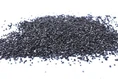
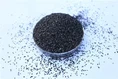
Before the petrochemical special activated carbon is packaged and shipped, a final inspection is carried out. We check the physical appearance of the activated carbon, including its color, particle size distribution, and the presence of any foreign objects.
The particle size distribution is crucial for the application of activated carbon in petrochemical processes. We use sieving methods to ensure that the particle size of the activated carbon falls within the specified range. For example, in some petrochemical filtration applications, a specific particle size is required to ensure proper flow through the filter bed.


We also conduct a comprehensive set of chemical and physical tests on the final product. These tests include measuring the pH value, ash content, and heavy metal content. The pH value of the activated carbon can affect its performance in different petrochemical environments. The ash content should be kept as low as possible to avoid contamination of the petrochemical products. Heavy metal content is strictly controlled to meet environmental and safety standards.
Product Packaging and Storage
Proper packaging and storage are also important aspects of quality control. We use high - quality packaging materials to protect the activated carbon from moisture, dust, and other contaminants. The packaging is designed to be air - tight and durable.
During storage, we store the activated carbon in a dry and clean environment. The storage temperature and humidity are controlled to prevent any degradation of the activated carbon. We also have a first - in - first - out (FIFO) inventory management system to ensure that the oldest products are used first.
Our Product Range
We offer a wide range of petrochemical special activated carbon products to meet the diverse needs of our customers. Our Nutshell Water Purification Activated Carbon is specifically designed for water purification in petrochemical plants. It has excellent adsorption performance for organic pollutants and heavy metals in water.
Our Electroplate Special Activated Carbon is tailored for electroplating applications in the petrochemical industry. It can effectively remove impurities and improve the quality of the electroplating solution.
Our Tail Liquid Recycle Activated Carbon is used for the recycling of tail liquids in petrochemical processes. It helps to recover valuable substances from the tail liquids and reduce environmental pollution.
Contact Us for Procurement
If you are interested in our petrochemical special activated carbon products or have any questions about our quality control measures, please feel free to contact us. We are committed to providing high - quality products and excellent customer service. Our team of experts is ready to assist you in finding the most suitable activated carbon solutions for your petrochemical applications.
References
- "Activated Carbon: Adsorption from the Gas Phase and the Liquid Phase" by Dr. Johannes Strlic.
- "Carbon Materials for Advanced Technologies" edited by M. S. Dresselhaus, G. Dresselhaus, and A. Jorio.
- Industry standards and guidelines for the production of petrochemical special activated carbon.