




Potential Impacts of Tail Liquid Recycle Activated Carbon on Food Safety
As a supplier of Tail Liquid Recycle Activated Carbon, I've witnessed the growing interest in the application of this product across various industries, including those closely related to food production. Activated carbon is well - known for its excellent adsorption properties, and tail liquid recycle activated carbon, in particular, offers an economic and environmentally friendly solution by reusing materials. However, it's essential to understand its potential impacts on food safety.
Understanding Tail Liquid Recycle Activated Carbon
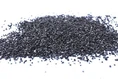
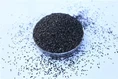
Tail liquid recycle activated carbon is produced by recycling the waste activated carbon from industrial tail liquids. Through a series of regeneration processes, the spent activated carbon can regain its adsorption capacity to a certain extent. This not only reduces the cost of activated carbon but also minimizes the environmental pollution caused by waste carbon disposal.
The production process typically involves removing impurities and re - activating the carbon structure. High - temperature treatment is often used to burn off the adsorbed substances, and chemical treatments may also be applied to enhance the surface properties of the carbon. The resulting recycled activated carbon can be used in many applications, such as water treatment, air purification, and in some cases, food - related processes.
Positive Impacts on Food Safety
Water Treatment in Food Production
One of the most significant positive impacts of tail liquid recycle activated carbon is its use in water treatment for food production. Water is a crucial ingredient in almost all food products, and its quality directly affects food safety. Tail liquid recycle activated carbon can effectively remove organic compounds, heavy metals, and chlorine from water.
For example, in the beverage industry, water used for making soft drinks, juices, and alcoholic beverages needs to be of high quality. Tail liquid recycle activated carbon can adsorb pesticides, herbicides, and other organic pollutants that may be present in the water source. By improving the water quality, it helps prevent these harmful substances from entering the food products, thus enhancing food safety.


Removal of Odors and Toxins in Food Processing
In food processing plants, there may be various odorous and toxic substances generated during the production process. Tail liquid recycle activated carbon can be used to adsorb these substances, creating a cleaner and safer working environment. For instance, in meat processing, the activated carbon can remove the unpleasant smell from the processing area and also adsorb some of the potential harmful substances released during the cooking and preservation processes.
Adsorption in Food Packaging
Tail liquid recycle activated carbon can also be incorporated into food packaging materials. It can adsorb oxygen, moisture, and other gases that may cause food spoilage. For example, in the packaging of fresh fruits and vegetables, the activated carbon can help maintain a low - oxygen and low - moisture environment, extending the shelf - life of the products and reducing the risk of microbial growth and foodborne illnesses.
Negative Impacts on Food Safety
Residual Contaminants
One of the main concerns regarding tail liquid recycle activated carbon is the potential presence of residual contaminants. During the recycling process, it may be difficult to completely remove all the adsorbed substances from the waste activated carbon. If these residual contaminants are not properly removed, they can be transferred to the food products during the treatment process.
For example, if the original waste activated carbon was used to adsorb heavy metals in an industrial process, and the recycling process fails to remove these heavy metals completely, the recycled activated carbon may release these metals into the water or food products during its subsequent use. Heavy metals such as lead, mercury, and cadmium are highly toxic and can cause serious health problems if consumed in excessive amounts.
Microbial Contamination
Another potential issue is microbial contamination. The waste activated carbon may have been exposed to various microorganisms during its previous use. If the regeneration process does not effectively kill these microorganisms, the recycled activated carbon can introduce them into the food - related environment.
Microbes such as bacteria, fungi, and viruses can cause food spoilage and foodborne diseases. For example, Salmonella and E. coli are common food - borne pathogens that can contaminate food products if present in the activated carbon used in food processing or water treatment.
Chemical Reactions and By - products
During the recycling process, chemical treatments may be used, which can introduce new chemical substances or by - products. These substances may react with the components in the food or water, potentially forming harmful compounds. For example, some chemicals used in the regeneration process may react with organic matter in the food to form carcinogenic substances.
Ensuring Food Safety with Tail Liquid Recycle Activated Carbon
Strict Quality Control
As a supplier, we implement strict quality control measures to ensure the safety of our tail liquid recycle activated carbon. We conduct comprehensive testing on the raw materials and the final products. This includes testing for heavy metals, microbial contamination, and the presence of residual chemicals. Only when the products meet the strict safety standards can they be sold to customers in the food - related industries.
Proper Application and Monitoring
Customers also need to use the tail liquid recycle activated carbon properly. They should follow the recommended dosage and usage methods. In addition, regular monitoring of the treated water or food products is necessary to detect any potential safety issues in a timely manner. For example, water quality should be regularly tested to ensure that the activated carbon is effectively removing contaminants without introducing new ones.
Our Product Range
We offer a variety of high - quality activated carbon products, including Nutshell Water Purification Activated Carbon, Nutshell Gold Recovery Carbon, and Water Purification AG - Activated Carbon. These products are suitable for different applications in the food industry and other fields. Our tail liquid recycle activated carbon is produced with the latest technology and strict quality control, providing a reliable solution for your food safety needs.
Conclusion and Call to Action
In conclusion, tail liquid recycle activated carbon has both positive and negative potential impacts on food safety. When used properly and with strict quality control, it can significantly contribute to improving food safety by removing contaminants and preventing food spoilage. However, the potential risks, such as residual contaminants and microbial contamination, cannot be ignored.
If you are interested in our tail liquid recycle activated carbon products or have any questions about their application in food safety, please feel free to contact us. We are more than willing to discuss your specific needs and provide you with the best solutions for your food - related applications.
References
- Randtke, S. J. (1984). Regeneration of granular activated carbon. Water Research, 18(6), 641 - 653.
- Jiang, J. Q., & Leckie, J. O. (1979). Kinetics of adsorption of metal ions onto granular activated carbon. Journal of Colloid and Interface Science, 70(2), 255 - 272.
- IARC Monographs on the Evaluation of Carcinogenic Risks to Humans. (1987). Overall evaluations of carcinogenicity: An updating of IARC Monographs Volumes 1 - 42. Supplement 7. Lyon, France: International Agency for Research on Cancer.