


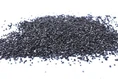


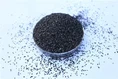
Hey there! I'm a supplier of Tail Liquid Recycle Activated Carbon, and today I wanna chat about the characteristics of printing and dyeing wastewater that our amazing product can handle.
First off, let's talk about what printing and dyeing wastewater is all about. Printing and dyeing industries are major water - consumers, and they generate a huge amount of wastewater. This wastewater is a real headache because it has some unique and challenging characteristics.
One of the most obvious features of printing and dyeing wastewater is its high color. You know, when they're dyeing fabrics, all those vivid colors end up in the water. The dyes used can be synthetic or natural, and they come in all sorts of chemical structures. Some common dyes like azo dyes, anthraquinone dyes, and phthalocyanine dyes are really hard to break down. Our Tail Liquid Recycle Activated Carbon is like a magic sponge for these colors. It has a large surface area, with countless tiny pores. These pores can adsorb the dye molecules, effectively removing the color from the wastewater. You can check out more about our Tail Liquid Recycle Activated Carbon on our website.
Another characteristic is the high chemical oxygen demand (COD). COD is a measure of the amount of oxygen required to chemically oxidize the organic substances in the water. Printing and dyeing wastewater contains a lot of organic compounds such as sizing agents, surfactants, and residual dyes. These organic substances are not only difficult to degrade but also consume a large amount of oxygen in the water, which can lead to oxygen depletion in water bodies if the wastewater is discharged directly. Our activated carbon can adsorb many of these organic compounds, reducing the COD of the wastewater. It acts as a physical barrier, trapping the organic molecules in its pores and preventing them from causing further pollution.


The wastewater also has a high pH value. During the printing and dyeing process, alkaline substances are often used for desizing, scouring, and mercerizing. As a result, the wastewater is usually alkaline. The high pH can be harmful to aquatic life and can also cause corrosion to pipes and equipment if not properly treated. Our Tail Liquid Recycle Activated Carbon can help to some extent in neutralizing the pH. The surface of the activated carbon has some acidic functional groups, which can react with the alkaline substances in the water, gradually adjusting the pH to a more acceptable level.
In addition to these, printing and dyeing wastewater may contain heavy metals. Some dyes and chemicals used in the industry may contain heavy metals such as lead, mercury, and cadmium. These heavy metals are extremely toxic and can accumulate in the environment and living organisms, causing serious health problems. Our activated carbon has a strong affinity for heavy metal ions. The porous structure and surface properties of the carbon allow it to adsorb heavy metal ions through ion - exchange and complexation reactions. This helps to remove the heavy metals from the wastewater, making it safer for discharge or reuse.
Now, let's compare our Tail Liquid Recycle Activated Carbon with other treatment methods. There are some chemical treatment methods like coagulation and flocculation. While these methods can remove some suspended solids and part of the color, they often produce a large amount of sludge, which is another environmental problem. Our activated carbon treatment is more environmentally friendly. It doesn't produce a large amount of secondary waste, and the used carbon can be regenerated and reused.
We also have other great products in our activated carbon range. For example, our Air Purification Activated Carbon is excellent for removing pollutants from the air. It has a different pore structure and surface property optimized for air purification. And our Nutshell Gold Recovery Carbon is specifically designed for gold recovery in the mining industry.
If you're in the printing and dyeing industry or any other industry dealing with similar wastewater problems, our Tail Liquid Recycle Activated Carbon is definitely worth considering. It's a cost - effective and efficient solution for treating printing and dyeing wastewater. We've had many satisfied customers who have seen a significant improvement in their wastewater quality after using our product.
If you're interested in purchasing our Tail Liquid Recycle Activated Carbon or want to have a chat about your specific wastewater treatment needs, don't hesitate to reach out. We're always here to help you find the best solution for your business.
References:
- Environmental Science and Technology textbooks on wastewater treatment
- Industry reports on printing and dyeing wastewater characteristics and treatment methods