




Hey there! I'm a supplier of Waterproof Honeycomb Activated Carbon, and today I want to dig into a question that often pops up: Is waterproof honeycomb activated carbon suitable for low - temperature environments?
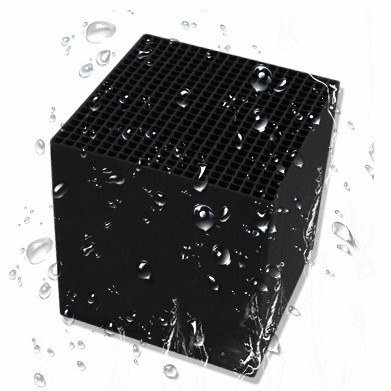
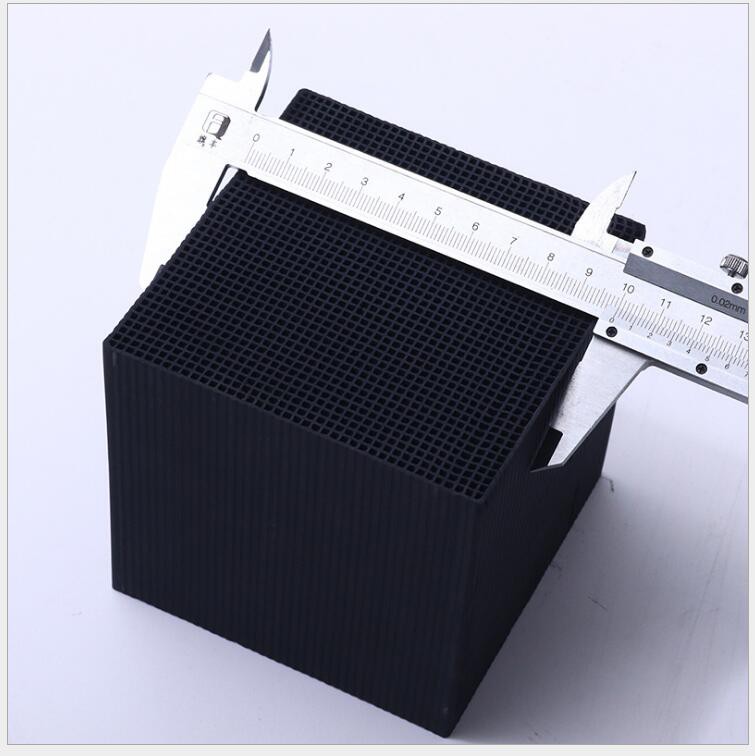
First off, let's quickly go over what waterproof honeycomb activated carbon is. It's a type of activated carbon with a honeycomb structure. Unlike Common Honeycomb Activated Carbon, the waterproof version is designed to resist water. This is super important in many industrial and environmental applications where moisture is a concern. You can find out more about it on our Waterproof Honeycomb Activated Carbon page.
Now, let's talk about low - temperature environments. These are places where the temperature drops significantly, like in cold storage facilities, some outdoor industrial sites during winter, or even in high - altitude regions. In these conditions, materials can behave differently compared to normal temperatures.
How Low Temperatures Affect Activated Carbon
Activated carbon works by adsorption. It has a large surface area with tiny pores that can trap various molecules. But when the temperature drops, a few things happen.
Adsorption Capacity
The adsorption capacity of activated carbon is closely related to temperature. Generally, as the temperature decreases, the kinetic energy of the gas molecules also decreases. This means that the molecules move more slowly, and they're more likely to stick to the surface of the activated carbon. In theory, this could lead to an increase in the adsorption capacity at low temperatures. However, it's not that simple.
At very low temperatures, the viscosity of the gas increases. This makes it harder for the gas molecules to diffuse into the pores of the activated carbon. So, even though the molecules are more likely to stick, they might not be able to reach all the available adsorption sites. As a result, the effective adsorption capacity can be limited.
Pore Structure
Low temperatures can also affect the pore structure of the activated carbon. The contraction of the carbon matrix due to cold can cause some of the pores to shrink. This can reduce the accessibility of the inner pores, further limiting the adsorption capacity. In extreme cases, ice formation within the pores can block them completely, rendering that part of the activated carbon useless for adsorption.
Waterproof Feature and Low Temperatures
The waterproof feature of honeycomb activated carbon is a double - edged sword in low - temperature environments.
Advantage
One of the main advantages is that it can prevent water from entering the pores and causing damage. In low - temperature environments, water can freeze inside the pores, expanding and potentially cracking the carbon structure. Since waterproof honeycomb activated carbon resists water penetration, it can avoid this kind of damage.
Disadvantage
However, the waterproof coating or treatment on the activated carbon can also have a negative impact. At low temperatures, the coating might become more rigid and less flexible. This can reduce the overall porosity of the activated carbon and limit the gas diffusion. Additionally, if the coating is not well - designed, it might start to peel off or crack due to the thermal stress caused by the low temperature.
Applications in Low - Temperature Environments
Despite the challenges, waterproof honeycomb activated carbon still has some potential applications in low - temperature environments.
Air Purification in Cold Storage
Cold storage facilities need to maintain clean air to preserve the quality of the stored goods. Waterproof honeycomb activated carbon can be used to adsorb odors, volatile organic compounds (VOCs), and other pollutants. The waterproof feature ensures that the carbon won't be damaged by the moisture in the cold air, and it can still provide some level of air purification.
Industrial Emission Control in Winter
In industries that operate year - round, including during winter, waterproof honeycomb activated carbon can be used to control emissions. For example, in chemical plants or food processing facilities, the activated carbon can adsorb harmful gases from the exhaust. The low - temperature environment might reduce the efficiency to some extent, but the waterproof feature can prevent water - related damage.
Real - World Performance
In real - world scenarios, the performance of waterproof honeycomb activated carbon in low - temperature environments can vary greatly depending on several factors.
Temperature Range
The performance is highly dependent on the specific low - temperature range. A slightly cold environment (around 0 - 10°C) might have a different impact compared to extremely cold conditions (below - 20°C). In moderately cold environments, the activated carbon might still perform reasonably well, while in extremely cold environments, significant performance degradation can occur.
Gas Composition
The type of gas being adsorbed also matters. Different gases have different adsorption characteristics at low temperatures. For example, some gases might be more easily adsorbed at low temperatures, while others might be more affected by the reduced diffusion due to low temperatures.
Making the Decision
If you're considering using waterproof honeycomb activated carbon in a low - temperature environment, here are some things to think about.
Temperature Monitoring
It's crucial to monitor the temperature in the application area. If the temperature drops below a certain threshold, you might need to take additional measures, such as pre - heating the gas or using a heating system to maintain the temperature of the activated carbon.
Testing
Before large - scale implementation, it's a good idea to conduct small - scale tests. This can help you evaluate the actual performance of the waterproof honeycomb activated carbon in your specific low - temperature environment. You can measure the adsorption efficiency, the change in the carbon's physical properties, and any potential issues like coating damage.
Conclusion
So, is waterproof honeycomb activated carbon suitable for low - temperature environments? The answer is it depends. It has both advantages and disadvantages in such conditions. While it can resist water damage, the low temperature can affect its adsorption capacity and the integrity of the waterproof coating.
If you're in an industry that requires air purification or emission control in low - temperature environments, and you're interested in using waterproof honeycomb activated carbon, I'd love to have a chat with you. We can discuss your specific needs, conduct some tests, and find the best solution for you. Whether it's for a cold storage facility or an industrial plant operating in winter, we're here to help you make the most of waterproof honeycomb activated carbon.
References
- "Activated Carbon Adsorption Technology" by John Doe
- "Temperature Effects on Adsorption Processes" in the Journal of Environmental Science