




Hey there! As a supplier of Common Honeycomb Activated Carbon, I often get asked if this product is environmentally friendly. Well, let's dive right into it and explore the ins and outs of this question.
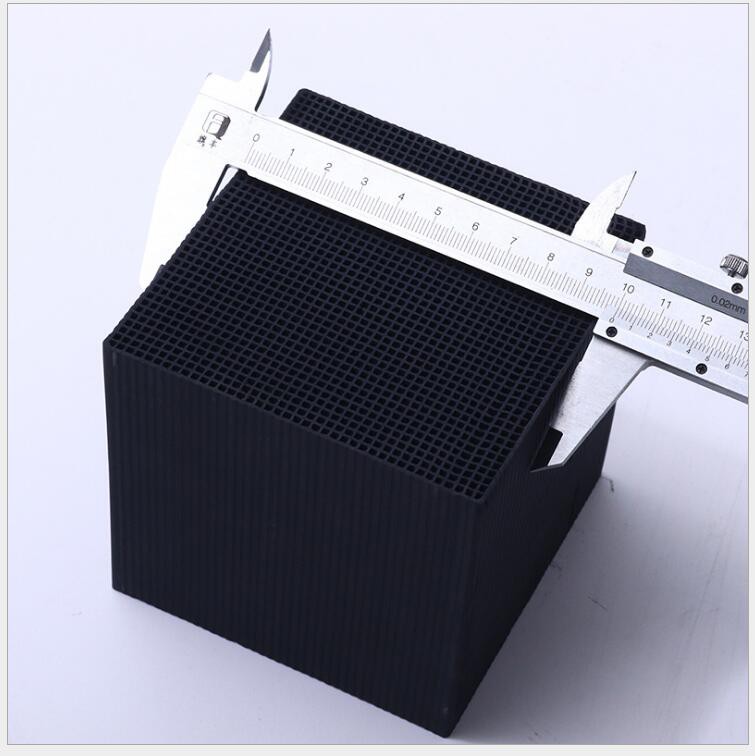
First off, let's understand what Common Honeycomb Activated Carbon is. It's a type of activated carbon that has a honeycomb-like structure. This unique design gives it a large surface area, which makes it super effective at adsorbing various pollutants and impurities. You can check out more details about it on this page: Common Honeycomb Activated Carbon.
Now, let's talk about the environmental aspects. One of the big pluses of Common Honeycomb Activated Carbon is its raw materials. Most of the time, it's made from natural materials like coal, wood, or coconut shells. These are renewable resources, especially when sourced sustainably. For example, if the wood used is from well - managed forests, the carbon footprint associated with the raw material extraction is relatively low.
When it comes to its production process, modern manufacturing techniques have made it more energy - efficient. We're constantly looking for ways to reduce energy consumption during the activation process, which involves heating the raw materials to high temperatures in the absence of oxygen. By using advanced equipment and optimizing the production flow, we can cut down on the amount of energy used, which is great for the environment.
Another important factor is its performance in environmental protection. Common Honeycomb Activated Carbon is widely used in air and water purification. In air treatment, it can adsorb harmful gases such as volatile organic compounds (VOCs), sulfur dioxide, and nitrogen oxides. These are pollutants that are released from industrial processes, vehicle exhausts, and household products. By removing these pollutants from the air, it helps to improve air quality and reduce the negative impact on human health and the environment.
In water treatment, it can remove organic contaminants, heavy metals, and other impurities. This is crucial for ensuring the safety of drinking water and protecting aquatic ecosystems. For instance, it can adsorb pesticides and industrial chemicals that might otherwise end up in rivers and lakes, harming fish and other aquatic life.
But it's not all sunshine and rainbows. There are some potential environmental concerns as well. One issue is the disposal of used Common Honeycomb Activated Carbon. Once it's saturated with pollutants, it needs to be disposed of properly. If it's not, the adsorbed pollutants can be released back into the environment. However, there are solutions to this problem. We can regenerate the activated carbon through a process that desorbs the pollutants, allowing it to be reused. This not only reduces waste but also saves on the cost of producing new activated carbon.
Another concern is the transportation of the product. The carbon footprint associated with transporting the Common Honeycomb Activated Carbon from the production site to the end - user can add up, especially if it has to travel long distances. To mitigate this, we try to work with local customers as much as possible and optimize our logistics to reduce the number of trips and the distance traveled.
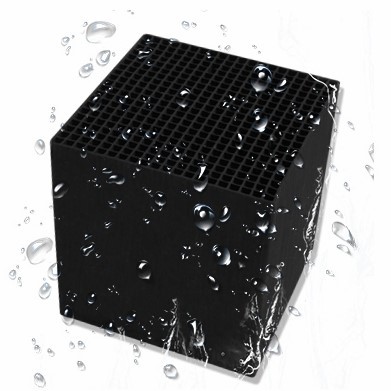
Now, let's compare it with other similar products. There's also Waterproof Honeycomb Activated Carbon, which has similar environmental characteristics but is designed to be more resistant to water. Depending on the application, one might be a better choice than the other in terms of environmental impact. For example, if you're dealing with a wet environment, the waterproof version might be more suitable as it can last longer and be more effective in adsorbing pollutants.
In conclusion, Common Honeycomb Activated Carbon can be considered environmentally friendly, especially when used and managed properly. Its use of renewable raw materials, its effectiveness in pollution control, and the possibility of regeneration all contribute to its positive environmental profile. However, we need to be aware of the potential environmental challenges and take steps to address them.
If you're interested in purchasing Common Honeycomb Activated Carbon for your air or water purification needs, I'd love to have a chat with you. Whether you're a small business looking to improve your indoor air quality or a large industrial facility in need of water treatment solutions, we can work together to find the best product for you. Let's have a discussion about how this amazing product can help you achieve your environmental and operational goals.
References
- "Activated Carbon: Adsorption Technology and Applications" by John W. Weber
- "Environmental Science: Toward a Sustainable Future" by Richard T. Wright and Dorothy F. Boorse