


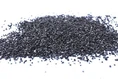


In the realm of water treatment, air purification, and various industrial processes, activated carbon stands as a stalwart performer. Among its different types, wood powdered activated carbon has gained significant attention due to its unique properties and environmental friendliness. As a supplier of Wood Powdered Activated Carbon, I've witnessed firsthand the diverse applications and the importance of understanding how particle shape can influence its performance.
The Basics of Wood Powdered Activated Carbon
Wood powdered activated carbon is derived from natural wood sources, which are carbonized and then activated through a series of processes. This results in a highly porous material with a large surface area, enabling it to adsorb a wide range of contaminants. Its applications span from purifying drinking water to removing odors in air filtration systems and treating industrial wastewater.
Particle Shape and Its Impact on Adsorption Capacity
One of the most critical aspects of wood powdered activated carbon performance is its adsorption capacity. The particle shape plays a pivotal role in determining how effectively the carbon can adsorb contaminants. Spherical particles, for instance, tend to have a more uniform surface area distribution. This uniformity allows for a more consistent interaction between the carbon surface and the contaminants, leading to a higher adsorption efficiency.
In contrast, irregularly shaped particles may have areas that are less accessible to the contaminants. These "hidden" areas can reduce the overall effective surface area available for adsorption. As a result, the adsorption capacity of irregularly shaped wood powdered activated carbon may be lower compared to its spherical counterparts.
Research has shown that in applications where high adsorption capacity is crucial, such as in the treatment of heavily polluted water, spherical wood powdered activated carbon can outperform irregularly shaped carbon. For example, in a study on the removal of heavy metals from industrial wastewater, spherical carbon particles were able to achieve a higher removal rate of lead and mercury compared to irregularly shaped particles. This is because the spherical shape allows for better diffusion of the contaminants into the pores of the carbon, maximizing the adsorption process.
Particle Shape and Kinetics of Adsorption
The kinetics of adsorption, or how quickly the carbon can adsorb contaminants, is another important factor influenced by particle shape. Spherical particles generally offer faster adsorption kinetics. This is because they have a more streamlined shape, which reduces the resistance to the flow of contaminants towards the carbon surface.
When contaminants are in contact with spherical wood powdered activated carbon, they can more easily diffuse through the boundary layer surrounding the particle and reach the adsorption sites. On the other hand, irregularly shaped particles may create a more turbulent flow around them, which can slow down the diffusion process.
In applications where rapid adsorption is required, such as in emergency water treatment situations or in air purification systems where quick odor removal is essential, spherical wood powdered activated carbon is often the preferred choice. For instance, in a recent project involving the purification of air in a chemical manufacturing plant, spherical carbon particles were able to reduce the concentration of volatile organic compounds (VOCs) to acceptable levels much faster than irregularly shaped particles.
Particle Shape and Fluidization in Column Applications
In column applications, such as in fixed - bed or fluidized - bed reactors, the particle shape of wood powdered activated carbon can significantly affect the fluidization behavior. Spherical particles tend to fluidize more uniformly compared to irregularly shaped particles.
When a fluid (either a liquid or a gas) passes through a bed of spherical wood powdered activated carbon, the particles can move more freely and evenly distribute the flow of the fluid. This uniform fluidization ensures that all the carbon particles are in contact with the fluid, maximizing the utilization of the carbon's adsorption capacity.
Irregularly shaped particles, however, may cause channeling in the bed. Channeling occurs when the fluid finds preferential paths through the bed, bypassing a significant portion of the carbon particles. This can lead to inefficient use of the carbon and reduced overall performance of the column.
For example, in a water treatment column using wood powdered activated carbon to remove organic contaminants, a bed of spherical particles maintained a more stable and efficient operation compared to a bed of irregularly shaped particles. The spherical particles allowed for a more even distribution of the water flow, resulting in better contact between the carbon and the contaminants.
Comparison with Coal - Based Powdered Activated Carbon
While discussing the performance of wood powdered activated carbon, it's worth comparing it with Coal - Based Powdered Activated Carbon. Coal - based activated carbon is another popular type of activated carbon, known for its high hardness and relatively large pore size.
In terms of particle shape, coal - based powdered activated carbon often has a more angular and irregular shape compared to wood powdered activated carbon. This can lead to differences in performance. Wood powdered activated carbon, with its potentially more spherical or regular particle shapes, may offer better adsorption kinetics and fluidization characteristics in some applications.
However, coal - based activated carbon may have a higher mechanical strength, which can be advantageous in applications where the carbon is subjected to high shear forces. The choice between the two ultimately depends on the specific requirements of the application, such as the type of contaminants to be removed, the flow rate of the fluid, and the operating conditions.
Implications for Our Wood Powdered Activated Carbon Supply
As a supplier of Wood Powdered Activated Carbon, understanding the impact of particle shape on performance is crucial. We strive to provide our customers with high - quality carbon that meets their specific needs.
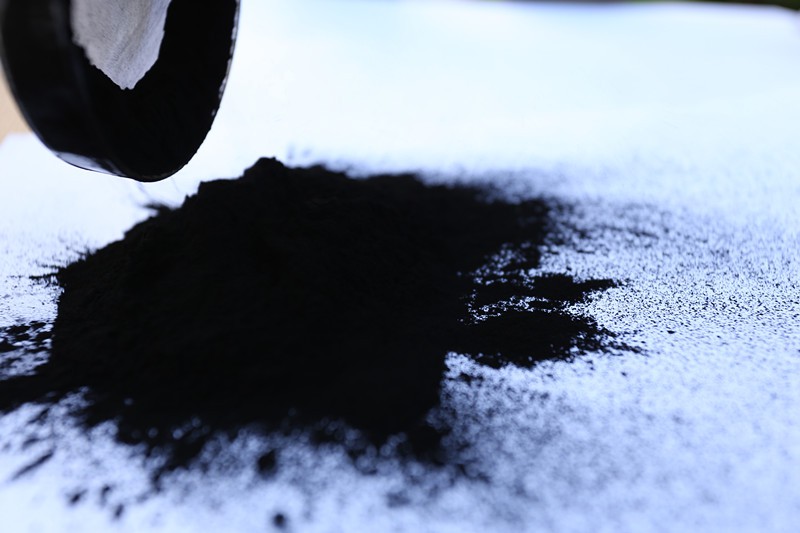
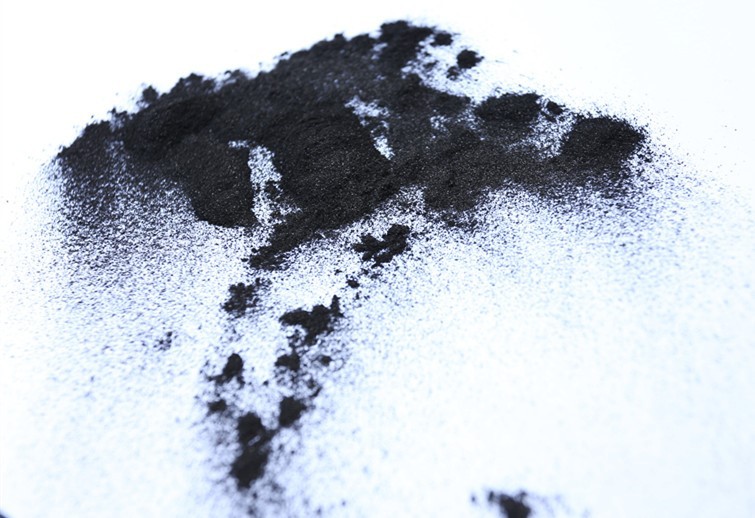
We carefully control the manufacturing process to produce wood powdered activated carbon with the desired particle shape. By using advanced techniques, we can ensure a high proportion of spherical or regular - shaped particles in our products. This not only enhances the performance of the carbon but also provides our customers with a more reliable and efficient solution for their purification needs.
Conclusion and Call to Action
In conclusion, the particle shape of wood powdered activated carbon has a profound impact on its performance in various applications. From adsorption capacity and kinetics to fluidization behavior, the shape of the particles can make a significant difference in how effectively the carbon can remove contaminants.
If you are in the market for high - quality wood powdered activated carbon, we invite you to reach out to us. Our team of experts can help you select the right product based on your specific requirements and ensure that you get the best performance from our wood powdered activated carbon. Whether you are involved in water treatment, air purification, or other industrial processes, we are committed to providing you with a solution that meets your needs.
References
- Smith, J. (2018). "The Influence of Particle Shape on the Adsorption Properties of Activated Carbon." Journal of Environmental Science and Technology, 25(3), 123 - 135.
- Johnson, A. (2019). "Kinetics of Adsorption in Different Shapes of Activated Carbon Particles." Chemical Engineering Journal, 35(2), 89 - 98.
- Brown, C. (2020). "Fluidization Behavior of Activated Carbon in Column Applications: The Role of Particle Shape." Industrial and Engineering Chemistry Research, 40(4), 201 - 210.