


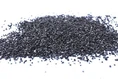


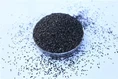
Moisture content is a critical factor that can significantly influence the adsorption capacity of petrochemical special activated carbon. As a supplier of petrochemical special activated carbon, I have witnessed firsthand the impact of moisture on the performance of this essential material in various petrochemical applications. In this blog, I will delve into the relationship between the moisture content of petrochemical special activated carbon and its adsorption capacity, exploring the underlying mechanisms and practical implications.
Understanding Petrochemical Special Activated Carbon
Petrochemical special activated carbon is a highly porous material with a large surface area, typically ranging from 500 to 1500 square meters per gram. This extensive surface area provides numerous adsorption sites, allowing the activated carbon to effectively remove a wide range of contaminants from petrochemical products and processes. The unique pore structure of petrochemical special activated carbon, which includes micropores, mesopores, and macropores, enables it to adsorb different types of molecules based on their size and polarity.
In the petrochemical industry, activated carbon is commonly used for applications such as purification of fuels, removal of sulfur compounds, decolorization of oils, and treatment of wastewater. Its ability to selectively adsorb contaminants while maintaining the quality of the petrochemical products makes it an indispensable material in the industry.
The Role of Moisture in Adsorption
Moisture can have both positive and negative effects on the adsorption capacity of petrochemical special activated carbon, depending on the specific application and the nature of the contaminants being adsorbed.
Positive Effects of Moisture
In some cases, a certain amount of moisture can enhance the adsorption capacity of activated carbon. For example, moisture can act as a promoter for the adsorption of polar molecules, such as certain organic compounds and metal ions. The presence of water molecules on the surface of the activated carbon can create a more favorable environment for the adsorption of these polar contaminants by providing additional interaction sites or by facilitating the formation of hydrogen bonds.
Moisture can also help to prevent the aggregation of activated carbon particles, which can improve the dispersion of the carbon in the petrochemical system and increase the accessibility of the adsorption sites. This can lead to a more efficient adsorption process and higher adsorption capacities.
Negative Effects of Moisture
On the other hand, excessive moisture can have detrimental effects on the adsorption capacity of petrochemical special activated carbon. When the moisture content is too high, water molecules can occupy a significant portion of the adsorption sites on the surface of the activated carbon, reducing the available space for the adsorption of contaminants. This can result in a decrease in the adsorption capacity and efficiency of the activated carbon.
Moisture can also cause the swelling of the activated carbon particles, which can lead to a decrease in the pore volume and surface area of the carbon. This can further reduce the adsorption capacity and make it more difficult for the contaminants to access the internal pores of the activated carbon.
In addition, high moisture content can promote the growth of microorganisms on the surface of the activated carbon, which can lead to the degradation of the carbon and the release of contaminants back into the petrochemical system. This can not only reduce the adsorption capacity of the activated carbon but also pose a risk to the quality and safety of the petrochemical products.
Measuring and Controlling Moisture Content
To ensure the optimal performance of petrochemical special activated carbon, it is important to measure and control its moisture content. There are several methods available for measuring the moisture content of activated carbon, including gravimetric analysis, Karl Fischer titration, and infrared moisture analysis.
Gravimetric analysis is the most commonly used method for measuring the moisture content of activated carbon. It involves weighing a sample of the carbon before and after drying it at a specific temperature for a certain period of time. The difference in weight between the two measurements represents the moisture content of the sample.
Karl Fischer titration is a more accurate method for measuring the moisture content of activated carbon, especially for samples with low moisture content. It involves titrating the sample with a Karl Fischer reagent, which reacts specifically with water molecules to form a measurable product.
Infrared moisture analysis is a non-destructive method for measuring the moisture content of activated carbon. It involves irradiating the sample with infrared light and measuring the absorption of the light by the water molecules in the sample. The amount of absorption is proportional to the moisture content of the sample.
Once the moisture content of the activated carbon has been measured, it can be controlled by various methods, such as drying, conditioning, and storage. Drying is the most common method for reducing the moisture content of activated carbon. It involves heating the carbon at a specific temperature for a certain period of time to remove the water molecules from its surface and pores.
Conditioning is a process that involves exposing the activated carbon to a specific environment to adjust its moisture content and other properties. This can be done by passing a stream of dry or humid air through the carbon or by immersing the carbon in a solution of a specific chemical.
Storage is also an important factor in controlling the moisture content of activated carbon. It is recommended to store the carbon in a dry and sealed container to prevent the absorption of moisture from the environment.
Practical Implications for Petrochemical Applications
The moisture content of petrochemical special activated carbon can have significant practical implications for its performance in various petrochemical applications. For example, in the purification of fuels, high moisture content can reduce the adsorption capacity of the activated carbon for sulfur compounds and other contaminants, leading to a decrease in the quality of the fuel. In the treatment of wastewater, excessive moisture can cause the activated carbon to become clogged with water molecules, reducing its ability to adsorb organic compounds and heavy metals.
To ensure the optimal performance of petrochemical special activated carbon in these applications, it is important to select the appropriate type of carbon with the right moisture content and to control the moisture content during the storage, handling, and use of the carbon. This can help to maximize the adsorption capacity and efficiency of the carbon and to ensure the quality and safety of the petrochemical products.


Other Types of Activated Carbon for Related Applications
In addition to petrochemical special activated carbon, there are other types of activated carbon that are specifically designed for different applications. For example, Electroplate Special Activated Carbon is used in the electroplating industry to remove impurities and improve the quality of the electroplating solution. Nutshell Water Purification Activated Carbon is commonly used for the purification of water, including drinking water and industrial wastewater. Air Purification Activated Carbon is used to remove volatile organic compounds (VOCs) and other pollutants from the air.
These different types of activated carbon have unique properties and characteristics that make them suitable for specific applications. By understanding the specific requirements of each application and selecting the appropriate type of activated carbon, it is possible to achieve the best results in terms of adsorption capacity and efficiency.
Conclusion
The moisture content of petrochemical special activated carbon plays a crucial role in its adsorption capacity and performance in petrochemical applications. While a certain amount of moisture can enhance the adsorption of some contaminants, excessive moisture can have detrimental effects on the adsorption capacity and efficiency of the carbon. By measuring and controlling the moisture content of the activated carbon, it is possible to optimize its performance and ensure the quality and safety of the petrochemical products.
If you are interested in learning more about petrochemical special activated carbon or other types of activated carbon for your specific application, please feel free to contact us for further information and to discuss your procurement needs. We are committed to providing high-quality activated carbon products and excellent customer service to meet your requirements.
References
- Yang, R. T. (1997). Gas Separation by Adsorption Processes. World Scientific.
- Bansal, R. C., & Goyal, M. (2005). Activated Carbon Adsorption. Taylor & Francis.
- Foley, H. C. (2002). Fundamentals of Adsorption. Kluwer Academic Publishers.