




In the realm of environmental protection and industrial waste treatment, the combined treatment system has emerged as a powerful approach to address complex pollution challenges. As a supplier of Tail Liquid Recycle Activated Carbon, I am often asked about how our product interacts with other treatment agents in such a combined treatment system. In this blog, I will delve into this topic, exploring the mechanisms, benefits, and potential applications of these interactions.
Understanding Tail Liquid Recycle Activated Carbon
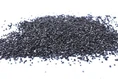
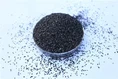
Tail Liquid Recycle Activated Carbon is a specialized form of activated carbon designed to effectively adsorb and remove various contaminants from tail liquids in industrial processes. It is made from high - quality raw materials, such as nut shells, which are carbonized and activated under specific conditions to create a highly porous structure. This porous structure provides a large surface area for adsorption, allowing the activated carbon to trap a wide range of pollutants, including organic compounds, heavy metals, and some inorganic substances.
Our Tail Liquid Recycle Activated Carbon is known for its high adsorption capacity, excellent mechanical strength, and long service life. These properties make it an ideal choice for use in combined treatment systems, where it can work in tandem with other treatment agents to achieve superior treatment results.
Interaction Mechanisms with Other Treatment Agents
Co - Adsorption with Chemical Oxidants
Chemical oxidants, such as hydrogen peroxide, ozone, and potassium permanganate, are commonly used in wastewater treatment to break down organic pollutants into smaller, more easily removable compounds. When Tail Liquid Recycle Activated Carbon is combined with chemical oxidants, a synergistic effect can occur.


The activated carbon adsorbs the organic pollutants onto its surface, concentrating them in a small area. At the same time, the chemical oxidant can react with these adsorbed pollutants more effectively. The porous structure of the activated carbon provides a micro - environment for the oxidation reaction, increasing the contact probability between the oxidant and the pollutants. For example, in the treatment of tail liquids containing phenolic compounds, the combination of Tail Liquid Recycle Activated Carbon and hydrogen peroxide can lead to a significant increase in the removal rate of phenols compared to using either treatment agent alone.
Interaction with Flocculants
Flocculants are substances used to aggregate small particles in wastewater into larger flocs, which can then be more easily removed by sedimentation or filtration. Tail Liquid Recycle Activated Carbon can interact with flocculants in several ways.
First, the activated carbon can adsorb some of the impurities in the wastewater that might interfere with the flocculation process. By removing these interfering substances, the flocculant can work more efficiently. Second, the surface of the activated carbon can provide additional sites for the attachment of flocs. This can enhance the sedimentation performance of the flocs, leading to clearer treated water. In some cases, the combination of Tail Liquid Recycle Activated Carbon and a cationic flocculant can significantly improve the removal of suspended solids and colloidal particles in tail liquids.
Synergy with Biological Treatment Agents
Biological treatment is a widely used method for treating wastewater, relying on microorganisms to decompose organic pollutants. Tail Liquid Recycle Activated Carbon can play a crucial role in enhancing the performance of biological treatment systems.
The activated carbon can adsorb toxic substances in the tail liquid that might inhibit the growth and activity of microorganisms. This creates a more favorable environment for the biological treatment process. Additionally, the porous structure of the activated carbon can serve as a habitat for microorganisms, providing them with a protected space to grow and multiply. The combination of Tail Liquid Recycle Activated Carbon and biological treatment agents can lead to a more stable and efficient treatment process, especially for the treatment of tail liquids with high - strength organic pollutants.
Benefits of Using Tail Liquid Recycle Activated Carbon in Combined Treatment Systems
Enhanced Treatment Efficiency
As mentioned above, the interaction between Tail Liquid Recycle Activated Carbon and other treatment agents can lead to a significant improvement in treatment efficiency. By combining the adsorption capacity of the activated carbon with the chemical or biological treatment capabilities of other agents, a wider range of pollutants can be removed from the tail liquid, and the removal rate can be much higher than using a single treatment method.
Cost - Effectiveness
Although the initial cost of using Tail Liquid Recycle Activated Carbon may be relatively high, its long - term cost - effectiveness is remarkable. In a combined treatment system, the activated carbon can reduce the dosage requirements of other treatment agents. For example, by adsorbing some of the pollutants, it can decrease the amount of chemical oxidants or flocculants needed for the treatment process. This not only reduces the cost of treatment agents but also minimizes the generation of secondary pollutants.
Versatility
Tail Liquid Recycle Activated Carbon can be used in combination with a variety of treatment agents, making it a versatile option for different types of tail liquid treatment. Whether it is treating tail liquids from the petrochemical industry, the pharmaceutical industry, or the food processing industry, the activated carbon can be tailored to work effectively with other treatment methods.
Applications in Different Industries
Petrochemical Industry
In the petrochemical industry, tail liquids often contain a complex mixture of organic compounds, heavy metals, and other pollutants. Our Petrochemical Special Activated Carbon, which is a type of Tail Liquid Recycle Activated Carbon, can be combined with chemical oxidants and flocculants to treat these tail liquids. The activated carbon can adsorb the oil and organic compounds, while the chemical oxidant can break down the remaining pollutants, and the flocculant can help remove the suspended solids. This combined treatment approach can effectively reduce the pollution load of petrochemical tail liquids, meeting the strict environmental discharge standards.
Air Purification in Industrial Settings
In addition to liquid treatment, activated carbon also plays an important role in air purification. Our Air Purification Activated Carbon can be used in combination with other air treatment agents, such as catalysts, to remove harmful gases and odors from industrial exhaust gases. In a combined air treatment system, the activated carbon can adsorb the volatile organic compounds (VOCs) and other pollutants, while the catalyst can convert these pollutants into harmless substances through chemical reactions.
Conclusion and Call to Action
The interaction between Tail Liquid Recycle Activated Carbon and other treatment agents in a combined treatment system offers numerous benefits, including enhanced treatment efficiency, cost - effectiveness, and versatility. As a supplier of high - quality Tail Liquid Recycle Activated Carbon, we are committed to providing our customers with the best products and solutions for their environmental treatment needs.
If you are interested in learning more about how our Tail Liquid Recycle Activated Carbon can be integrated into your combined treatment system or would like to discuss a potential purchase, please do not hesitate to contact us. We look forward to working with you to achieve better environmental protection results.
References
- Foo, K. Y., & Hameed, B. H. (2010). Insights into the modeling of adsorption isotherm systems. Chemical Engineering Journal, 156(1), 2–10.
- Ray, A. K., & Beenackers, A. A. C. M. (1999). Catalytic wet air oxidation: Recent developments in oxidation and desorption. Catalysis Today, 51(1), 3–19.
- Wang, X., & Peng, Y. (2010). Application of activated carbon in water and wastewater treatment. Journal of Environmental Sciences, 22(10), 1489–1498.