


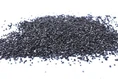


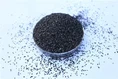
In the realm of air purification, activated carbon has long been recognized as a powerful and versatile tool. However, a question that often arises is how air purification activated carbon functions in a low - oxygen environment. As a supplier of Air Purification Activated Carbon, I am well - versed in the science behind this remarkable material and its performance under various conditions.
Understanding Activated Carbon
Activated carbon is a form of carbon processed to have small, low - volume pores that increase the surface area available for adsorption or chemical reactions. It is typically made from carbon - rich materials such as coconut shells, coal, or wood. The activation process involves heating these materials in the absence of oxygen to create a highly porous structure. The resulting activated carbon has an extremely large internal surface area, often exceeding 1000 square meters per gram.
The Mechanism of Air Purification in Normal Conditions
In normal air environments, air purification activated carbon works primarily through two mechanisms: physical adsorption and chemical adsorption.
Physical adsorption is based on the van der Waals forces between the molecules of the adsorbate (the substance to be removed) and the surface of the activated carbon. The porous structure of activated carbon provides numerous sites where gas molecules can be trapped. For example, volatile organic compounds (VOCs), which are common indoor air pollutants, can be physically adsorbed onto the surface of the activated carbon. The larger the surface area of the activated carbon, the more VOC molecules it can adsorb.
Chemical adsorption, on the other hand, involves a chemical reaction between the adsorbate and the surface of the activated carbon. Some activated carbons are impregnated with chemicals to enhance their ability to remove specific pollutants. For instance, activated carbon impregnated with potassium permanganate can react with certain gases such as hydrogen sulfide, converting them into less harmful substances.
Performance in a Low - Oxygen Environment
In a low - oxygen environment, the performance of air purification activated carbon is affected in several ways.
Physical Adsorption
The physical adsorption process is relatively independent of oxygen levels. The van der Waals forces that drive physical adsorption are based on the intermolecular interactions between the adsorbate and the activated carbon surface. As long as the activated carbon has a suitable pore size and surface area, it can still adsorb gas molecules in a low - oxygen environment.
However, the low - oxygen environment may change the physical properties of the gas mixture. For example, the partial pressure of the adsorbate may be different, which can affect the adsorption equilibrium. According to the Langmuir adsorption isotherm, the amount of adsorbate adsorbed on the activated carbon is related to its partial pressure in the gas phase. A change in the partial pressure due to a low - oxygen environment may shift the adsorption equilibrium, either increasing or decreasing the amount of adsorbate adsorbed.
Chemical Adsorption
Chemical adsorption is more likely to be affected by a low - oxygen environment. Many chemical reactions that occur during chemical adsorption require oxygen as a reactant or an activator. For example, the oxidation of certain pollutants by activated carbon may be hindered in a low - oxygen environment.
Some pollutants may also react with oxygen in the air to form intermediate products that are more easily adsorbed by activated carbon. In a low - oxygen environment, the formation of these intermediate products may be reduced, leading to a decrease in the overall adsorption efficiency.


Impact on Pore Structure
The low - oxygen environment may also have an impact on the pore structure of the activated carbon over time. Although activated carbon is generally stable, extreme low - oxygen conditions or the presence of certain reactive gases in the low - oxygen environment may cause changes in the pore structure. For example, some gases may react with the carbon surface, leading to the blockage or enlargement of pores. This can affect the accessibility of the adsorbate to the internal surface of the activated carbon, thereby reducing its adsorption capacity.
Applications in Low - Oxygen Environments
Despite the potential challenges, air purification activated carbon still has important applications in low - oxygen environments.
Industrial Applications
In some industrial processes, such as in certain chemical reactors or confined spaces with low - oxygen atmospheres, air purification activated carbon can be used to remove harmful gases. For example, in the petrochemical industry, Petrochemical Special Activated Carbon is often used to remove sulfur - containing compounds and other pollutants from gas streams. Even in low - oxygen areas within the petrochemical facilities, activated carbon can help maintain air quality and protect equipment from corrosion.
Environmental Monitoring
In environmental monitoring stations located in areas with low - oxygen conditions, such as deep mines or underwater facilities, air purification activated carbon can be used to pre - treat air samples. By removing interfering pollutants, activated carbon can improve the accuracy of environmental monitoring instruments.
Optimizing Performance in Low - Oxygen Environments
To optimize the performance of air purification activated carbon in low - oxygen environments, several strategies can be employed.
Selecting the Right Type of Activated Carbon
Different types of activated carbon have different pore structures and surface properties. For low - oxygen environments, activated carbon with a large mesopore volume may be more suitable. Mesopores (pores with a diameter between 2 and 50 nanometers) can provide better access for larger gas molecules and are less likely to be blocked by small particles or reactive gases.
Chemical Modification
Chemical modification of activated carbon can enhance its performance in low - oxygen environments. For example, impregnating activated carbon with non - oxygen - dependent catalysts can improve its ability to remove pollutants through chemical reactions. Some metals such as copper or silver can be used as catalysts to promote the decomposition of certain pollutants without relying on oxygen.
Monitoring and Maintenance
Regular monitoring of the activated carbon's performance is essential in low - oxygen environments. This can include measuring the adsorption capacity, analyzing the composition of the adsorbed pollutants, and checking the pore structure of the activated carbon. Based on the monitoring results, timely replacement or regeneration of the activated carbon can be carried out to ensure its continuous and efficient operation.
Conclusion
Air purification activated carbon can still play an important role in low - oxygen environments, although its performance may be affected by the lack of oxygen. Understanding the mechanisms of adsorption in low - oxygen conditions and taking appropriate optimization measures can help maximize its effectiveness.
As a supplier of high - quality Air Purification Activated Carbon, we are committed to providing our customers with the best solutions for air purification in various environments, including low - oxygen settings. Our Petrochemical Special Activated Carbon and Nutshell Water Purification Activated Carbon are designed to meet the specific needs of different industries.
If you are interested in our products or have any questions about air purification in low - oxygen environments, we invite you to contact us for further discussion and potential procurement. We look forward to working with you to achieve cleaner and healthier air.
References
- Yang, R. T. (1987). Gas Separation by Adsorption Processes. Butterworths.
- Foley, H. C., & Suuberg, E. M. (1999). Activation and applications of carbon. In Carbon Materials for Advanced Technologies (pp. 1 - 56). Elsevier.
- Crittenden, J. C., Trussell, R. R., Hand, D. W., Howe, K. J., & Tchobanoglous, G. (2012). Water Treatment: Principles and Design. John Wiley & Sons.