


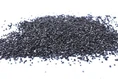
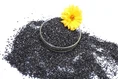

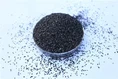
Activated carbon has long been recognized as a powerful adsorbent in water purification processes. Among various types, AG - Activated Carbon stands out for its exceptional performance in adsorbing impurities from water. As a leading supplier of Water Purification AG - Activated Carbon, I am excited to share with you the science behind how this remarkable material works to ensure clean and safe water.
The Basics of Adsorption
Adsorption is a surface - based phenomenon where molecules or ions from a fluid (in this case, water) adhere to the surface of a solid adsorbent, which is our AG - Activated Carbon. This is different from absorption, where a substance is taken up into the bulk of another material. The key to the effectiveness of AG - Activated Carbon lies in its large surface area and unique pore structure.
Structure of AG - Activated Carbon
AG - Activated Carbon is produced through a special activation process that creates a highly porous structure. A single gram of activated carbon can have a surface area ranging from 500 to 1500 square meters or even more. This vast surface area provides numerous sites for the adsorption of impurities. The pores in AG - Activated Carbon come in different sizes, including micropores (less than 2 nanometers in diameter), mesopores (2 - 50 nanometers), and macropores (greater than 50 nanometers).
The micropores are extremely important as they provide a high - density adsorption area. Many small - sized impurities, such as organic compounds, can be trapped within these tiny pores. Mesopores act as channels that allow the impurities to access the micropores. Macropores, on the other hand, help in the initial diffusion of the water and larger particles towards the inner pores of the activated carbon.
Mechanisms of Adsorption in Water
Physical Adsorption
Physical adsorption, also known as physisorption, is the most common mechanism in water purification using AG - Activated Carbon. It occurs due to weak van der Waals forces between the impurity molecules and the carbon surface. These forces are relatively weak and can be easily disrupted by changes in temperature or pressure.
For example, when water containing organic pollutants like benzene or toluene comes into contact with AG - Activated Carbon, the molecules of these pollutants are attracted to the carbon surface through van der Waals forces. The large surface area of the activated carbon ensures that a significant number of these molecules can be adsorbed. Physical adsorption is a reversible process, but under normal water purification conditions, the adsorbed impurities remain on the carbon surface until the carbon is regenerated or replaced.
Chemical Adsorption
Chemical adsorption, or chemisorption, involves the formation of chemical bonds between the impurity molecules and the carbon surface. This type of adsorption is stronger and more specific than physical adsorption. In water purification, chemisorption can occur when certain impurities react with functional groups on the surface of the AG - Activated Carbon.


For instance, some heavy metal ions, such as lead or mercury, can form chemical bonds with oxygen - containing functional groups on the carbon surface. These functional groups can be introduced during the activation process or through post - treatment of the activated carbon. Once the heavy metal ions are chemically adsorbed, they are more firmly attached to the carbon and are less likely to desorb back into the water.
Adsorption of Different Types of Impurities
Organic Impurities
Organic impurities are a major concern in water purification. They can include pesticides, solvents, and natural organic matter (NOM). AG - Activated Carbon is highly effective in adsorbing these organic compounds. The non - polar nature of many organic molecules makes them easily attracted to the non - polar carbon surface through physical adsorption.
For example, NOM, which is composed of a complex mixture of organic substances such as humic and fulvic acids, can cause color, odor, and taste problems in water. AG - Activated Carbon can adsorb these substances, reducing the color and improving the overall quality of the water. Additionally, pesticides and solvents, which are often present in agricultural runoff or industrial wastewater, can be effectively removed by the activated carbon.
Inorganic Impurities
Although AG - Activated Carbon is more commonly associated with the removal of organic impurities, it can also adsorb certain inorganic impurities. Heavy metals, such as cadmium, chromium, and nickel, can be adsorbed through both physical and chemical mechanisms. As mentioned earlier, chemical adsorption can occur when the metal ions react with surface functional groups.
In addition, some anions, such as fluoride and nitrate, can also be adsorbed to a certain extent. The adsorption of these anions is often influenced by the pH of the water and the surface charge of the activated carbon. At appropriate pH values, the carbon surface can develop a positive or negative charge, which can attract the corresponding anions or cations.
Factors Affecting Adsorption
Contact Time
The contact time between the water and the AG - Activated Carbon is crucial for effective adsorption. Longer contact times allow more impurities to diffuse into the pores of the carbon and be adsorbed. In water treatment systems, the flow rate of the water through the activated carbon bed needs to be carefully controlled to ensure sufficient contact time. If the flow rate is too high, the water may pass through the carbon bed too quickly, and not all the impurities will have a chance to be adsorbed.
Temperature
Temperature can have an impact on the adsorption process. In general, physical adsorption is an exothermic process, meaning that it releases heat. As the temperature increases, the adsorption capacity of the activated carbon for some impurities may decrease because the increased thermal energy can disrupt the weak van der Waals forces. However, for chemical adsorption, a moderate increase in temperature may sometimes enhance the reaction rate between the impurities and the carbon surface.
pH of the Water
The pH of the water can affect the surface charge of the AG - Activated Carbon and the speciation of the impurities. For example, at low pH values, the carbon surface may be positively charged, which can enhance the adsorption of anions. At high pH values, the surface may be negatively charged, favoring the adsorption of cations. The pH also affects the solubility and chemical form of some impurities, which in turn can influence their adsorption behavior.
Our Product Range
As a supplier of Water Purification AG - Activated Carbon, we offer a wide range of products to meet different water purification needs. Our Petrochemical Special Activated Carbon is specifically designed for the petrochemical industry, where it can effectively remove organic pollutants and heavy metals from wastewater.
Our Nutshell Water Purification Activated Carbon is made from high - quality nutshells, which provides a natural and environmentally friendly option for water purification. It has excellent adsorption performance for a variety of impurities, including organic compounds and heavy metals.
We also offer Tail Liquid Recycle Activated Carbon, which is ideal for recycling tail liquids in industrial processes. This product can help reduce waste and improve the efficiency of the overall production process.
Conclusion
AG - Activated Carbon is a versatile and effective adsorbent for removing impurities from water. Its unique pore structure and adsorption mechanisms make it suitable for a wide range of applications, from domestic water purification to industrial wastewater treatment. By understanding the science behind how AG - Activated Carbon works, we can better optimize its use in water treatment systems.
If you are in need of high - quality Water Purification AG - Activated Carbon for your water treatment project, we invite you to contact us for a detailed discussion. Our team of experts is ready to provide you with the best solutions and products to meet your specific requirements.
References
- "Activated Carbon Adsorption" by Perry's Chemical Engineers' Handbook.
- "Water Treatment Unit Processes: Physical and Chemical" by George Tchobanoglous, Franklin L. Burton, and H. David Stensel.
- "Adsorption on Activated Carbon" by Klaus Kärger and Jörg Kärger.