



Hey there! As a supplier of Petrochemical Special Activated Carbon, I often get asked about its various impacts on petrochemical products. One question that comes up quite a bit is whether petrochemical special activated carbon has any impact on the pour point of petrochemical products. Let's dig into this topic and see what we can find out.


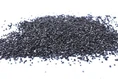
First off, let's talk a bit about what petrochemical special activated carbon is. It's a type of activated carbon that's specifically designed for use in the petrochemical industry. It has a high surface area and a porous structure, which allows it to adsorb a wide range of impurities and contaminants from petrochemical products. This can include things like sulfur compounds, heavy metals, and other unwanted substances.
Now, onto the pour point. The pour point of a petrochemical product is the lowest temperature at which it will flow under certain conditions. It's an important property because it can affect how the product is stored, transported, and used. For example, if a product has a high pour point, it might solidify or become too viscous to flow at normal storage or transportation temperatures, which can cause problems.
So, does petrochemical special activated carbon have any impact on the pour point of petrochemical products? Well, the answer isn't a simple yes or no. It depends on a few factors.
One factor is the type of impurities that the activated carbon is removing. Some impurities can actually increase the pour point of a petrochemical product. For example, certain waxes and long - chain hydrocarbons can cause the product to become more viscous and have a higher pour point. When petrochemical special activated carbon adsorbs these types of impurities, it can potentially lower the pour point of the product. By getting rid of the substances that are causing the high viscosity, the product can flow more easily at lower temperatures.
On the other hand, if the activated carbon is removing impurities that have a negligible effect on the pour point, then there might not be a significant change in the pour point. For instance, if it's mainly removing some trace heavy metals that don't really affect the physical properties related to flow, the pour point might stay pretty much the same.
Another factor is the amount of activated carbon used. If too much activated carbon is added, it could potentially cause some issues. Sometimes, the activated carbon particles themselves can act as nuclei for crystallization or can cause some sort of aggregation in the petrochemical product. This could potentially increase the pour point or at least make the product more difficult to flow. However, if the right amount of activated carbon is used, it can effectively remove the unwanted impurities without causing these negative effects.
Let's take a look at some real - world examples. In some refineries, they use petrochemical special activated carbon to treat diesel fuel. Diesel fuel can contain waxes that can cause it to gel at low temperatures, increasing the pour point. By using the right type and amount of activated carbon, they can adsorb these waxes and other impurities, which helps to lower the pour point of the diesel fuel. This makes it easier to store and transport the diesel fuel in colder climates.
Now, I also want to mention some of the other types of activated carbon that we offer. We have Air Purification Activated Carbon, which is great for removing pollutants and odors from the air. It's widely used in air purification systems in industrial and commercial settings.
Then there's Electroplate Special Activated Carbon. This type of activated carbon is designed for use in electroplating processes. It helps to remove impurities from the electroplating solutions, which can improve the quality of the electroplated products.
And we also have Tail Liquid Recycle Activated Carbon. This is used for recycling tail liquids in various industries. It can adsorb contaminants from the tail liquids, allowing for the reuse of the liquids and reducing waste.
In conclusion, petrochemical special activated carbon can have an impact on the pour point of petrochemical products, but it depends on the type of impurities being removed and the amount of activated carbon used. When used correctly, it can be a valuable tool for improving the quality and properties of petrochemical products.
If you're in the petrochemical industry and are looking for high - quality petrochemical special activated carbon or any of our other activated carbon products, I'd love to talk to you. Whether you're dealing with pour point issues or other purification needs, we can provide the right solutions for you. Reach out to us to start a conversation about your specific requirements and how we can help.
References
- "Petrochemical Engineering Handbook" - A comprehensive guide on petrochemical processes and properties.
- Research papers on the use of activated carbon in the petrochemical industry from various scientific journals.