




Hey there! As a supplier of Electroplate Special Activated Carbon, I've been getting a lot of questions lately about whether our product affects electroplating efficiency. So, I thought I'd take a deep dive into this topic and share my insights with you all.
First off, let's talk a bit about what electroplating is. Electroplating is a process that uses an electric current to deposit a thin layer of metal onto a substrate. It's widely used in various industries, from automotive to electronics, to improve the appearance, corrosion resistance, and wear resistance of products.
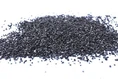
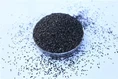
Now, let's get to the star of the show - Electroplate Special Activated Carbon. Activated carbon is a form of carbon processed to have small, low-volume pores that increase the surface area available for adsorption or chemical reactions. Our Electroplate Special Activated Carbon is specifically designed for the electroplating industry, with unique properties that set it apart from regular activated carbon.
One of the key ways our Electroplate Special Activated Carbon can affect electroplating efficiency is through its adsorption capabilities. During the electroplating process, impurities such as organic compounds, heavy metals, and other contaminants can build up in the electroplating solution. These impurities can cause a variety of problems, including poor adhesion of the plated metal, uneven plating thickness, and reduced corrosion resistance.
Our activated carbon acts like a sponge, adsorbing these impurities from the electroplating solution. By removing these contaminants, it helps to maintain the purity of the solution, which in turn can improve the quality and efficiency of the electroplating process. For example, when the solution is free of organic impurities, the plated metal is more likely to adhere evenly to the substrate, resulting in a smoother and more uniform finish.
Another important factor is the impact on the electrical conductivity of the electroplating solution. Impurities in the solution can interfere with the flow of electric current, making it more difficult for the metal ions to be deposited onto the substrate. Our Electroplate Special Activated Carbon helps to reduce these impurities, which can enhance the electrical conductivity of the solution. This means that the electroplating process can occur more efficiently, with less energy consumption and faster plating times.
But how do we know that our activated carbon really works? Well, we've conducted numerous tests and trials with our customers. In many cases, they've reported significant improvements in electroplating efficiency after using our product. For instance, some have seen a reduction in plating defects, such as blistering and peeling, which has led to a decrease in rework and an increase in overall productivity.
Now, let's compare our Electroplate Special Activated Carbon with other types of activated carbon. There are different applications for activated carbon in various industries. For example, Petrochemical Special Activated Carbon is designed for the petrochemical industry, where it's used to remove impurities from petroleum products. This type of activated carbon has different pore structures and surface properties compared to our electroplate special version, as it needs to target specific contaminants in the petrochemical process.
Similarly, Air Purification Activated Carbon is used to remove pollutants from the air. It has a high adsorption capacity for volatile organic compounds (VOCs) and other airborne contaminants. And Water Purification AG-Activated Carbon is used in water treatment to remove impurities and improve water quality. While these types of activated carbon share some similarities with our Electroplate Special Activated Carbon, they are tailored to different applications and have different performance requirements.
In addition to its impact on electroplating efficiency, our Electroplate Special Activated Carbon is also environmentally friendly. It's made from natural materials and is biodegradable, which means it has a lower environmental impact compared to some other purification methods. This is becoming increasingly important for many companies, as they look for ways to reduce their carbon footprint and meet sustainability goals.
So, does electroplate special activated carbon affect the electroplating efficiency? The answer is a resounding yes! Our product can help to improve the quality of the electroplating process, reduce energy consumption, and increase productivity. If you're in the electroplating industry and looking for a way to enhance your operations, I highly recommend giving our Electroplate Special Activated Carbon a try.
If you're interested in learning more about our product or have any questions, feel free to reach out. We're always happy to have a chat and discuss how our activated carbon can benefit your business. Whether you're a small-scale electroplating shop or a large industrial manufacturer, we have the expertise and the product to meet your needs.


In conclusion, our Electroplate Special Activated Carbon is a game-changer for the electroplating industry. It offers a cost-effective and environmentally friendly solution to improve electroplating efficiency and quality. So, don't hesitate to contact us and start the conversation about how we can work together to take your electroplating operations to the next level.
References
- "Activated Carbon: Adsorption and Applications" - A comprehensive guide on the properties and uses of activated carbon.
- Industry reports on electroplating processes and the impact of contaminants on efficiency.