


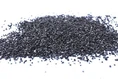


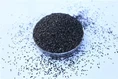
In the realm of textile wastewater treatment, the search for effective and sustainable solutions is an ongoing challenge. As a supplier of Tail Liquid Recycle Activated Carbon, I am often asked whether our product can be used in this crucial application. In this blog post, I will delve into the properties of Tail Liquid Recycle Activated Carbon and explore its potential for treating textile wastewater.


Understanding Textile Wastewater
Textile manufacturing is a water - intensive industry, and the wastewater it generates is complex and highly polluted. It typically contains a variety of contaminants, including dyes, heavy metals, surfactants, and organic compounds. These pollutants not only pose a threat to the environment but also to human health if not properly treated.
Dyes are one of the most problematic contaminants in textile wastewater. They are highly visible, and even small concentrations can discolor water bodies, affecting the aesthetic quality and light penetration. Some dyes are also toxic and can cause harm to aquatic life. Heavy metals such as lead, mercury, and cadmium are another major concern. They can accumulate in the environment and in living organisms, leading to long - term health problems.
Properties of Tail Liquid Recycle Activated Carbon
Tail Liquid Recycle Activated Carbon is a unique form of activated carbon that is produced through a specialized recycling process. It has several key properties that make it a potential candidate for textile wastewater treatment.
First of all, it has a large surface area. Activated carbon is known for its high porosity, which provides a large surface area for adsorption. This means that it can effectively adsorb a wide range of contaminants, including dyes and heavy metals. The pores in the activated carbon act as traps, capturing the pollutants and holding them within the carbon structure.
Secondly, Tail Liquid Recycle Activated Carbon has a high degree of chemical stability. It can withstand a wide range of pH values and chemical environments, which is important in textile wastewater treatment as the wastewater can have varying pH levels depending on the manufacturing processes used.
In addition, our Tail Liquid Recycle Activated Carbon is cost - effective. Since it is produced through a recycling process, it is more affordable compared to some other types of activated carbon. This makes it an attractive option for textile manufacturers who are looking for cost - efficient wastewater treatment solutions.
Adsorption of Dyes
One of the main applications of Tail Liquid Recycle Activated Carbon in textile wastewater treatment is the adsorption of dyes. Dyes are organic compounds with complex molecular structures, and different types of dyes have different adsorption characteristics.
Our activated carbon has been shown to be effective in adsorbing a variety of dyes, including reactive dyes, disperse dyes, and acid dyes. The large surface area and porous structure of the carbon allow it to interact with the dye molecules, forming strong adsorption bonds. The adsorption process is influenced by several factors, such as the pH of the solution, the initial dye concentration, and the contact time between the carbon and the wastewater.
For example, in acidic conditions, some dyes may have a positive charge, and the negatively charged surface of the activated carbon can attract and adsorb these dye molecules more effectively. By adjusting the pH of the textile wastewater, we can optimize the adsorption process and achieve higher removal rates of dyes.
Removal of Heavy Metals
Heavy metals are another significant pollutant in textile wastewater. Tail Liquid Recycle Activated Carbon can also play an important role in their removal.
The surface of the activated carbon contains various functional groups, such as hydroxyl and carboxyl groups, which can react with heavy metal ions. These functional groups can form complexes with the heavy metal ions, leading to their adsorption onto the carbon surface.
Different heavy metals have different affinities for the activated carbon. For instance, lead ions have a relatively high affinity for our Tail Liquid Recycle Activated Carbon. By controlling the operating conditions, such as the dosage of the activated carbon and the contact time, we can achieve significant removal of heavy metals from textile wastewater.
Comparison with Other Types of Activated Carbon
When considering the use of Tail Liquid Recycle Activated Carbon in textile wastewater treatment, it is important to compare it with other types of activated carbon. There are several other specialized activated carbons available in the market, such as Petrochemical Special Activated Carbon, Water Purification AG - Activated Carbon, and Electroplate Special Activated Carbon.
Petrochemical Special Activated Carbon is designed for applications in the petrochemical industry and may have different pore structures and surface properties compared to Tail Liquid Recycle Activated Carbon. Water Purification AG - Activated Carbon is mainly used for general water purification purposes and may not be optimized for the specific contaminants in textile wastewater. Electroplate Special Activated Carbon is tailored for electroplating wastewater treatment and may not be as effective in treating textile - related pollutants.
In contrast, Tail Liquid Recycle Activated Carbon is specifically engineered to address the unique challenges of textile wastewater treatment. Its cost - effectiveness and good adsorption performance for dyes and heavy metals make it a competitive option.
Practical Considerations in Using Tail Liquid Recycle Activated Carbon
When using Tail Liquid Recycle Activated Carbon in textile wastewater treatment, there are several practical considerations.
Firstly, the dosage of the activated carbon needs to be carefully determined. Too little activated carbon may not achieve the desired treatment效果, while too much can lead to increased costs and potential operational problems. This requires conducting pilot - scale tests to optimize the dosage based on the specific characteristics of the textile wastewater.
Secondly, the contact time between the activated carbon and the wastewater is crucial. Sufficient contact time allows for better adsorption of contaminants. This can be achieved through proper reactor design, such as using a well - mixed reactor or a fixed - bed reactor.
Finally, the regeneration of the activated carbon is an important aspect. After the activated carbon has adsorbed a certain amount of contaminants, it can be regenerated through a suitable process. This not only extends the lifespan of the activated carbon but also reduces the overall cost of the treatment process.
Conclusion
In conclusion, Tail Liquid Recycle Activated Carbon has great potential for use in the treatment of textile wastewater. Its large surface area, chemical stability, and cost - effectiveness make it an attractive option for adsorbing dyes and heavy metals from textile - related effluents.
Compared to other types of activated carbon, it is better suited to the specific needs of textile wastewater treatment. However, proper consideration of dosage, contact time, and regeneration is necessary to ensure its effective and efficient use.
If you are a textile manufacturer or involved in wastewater treatment and are interested in exploring the use of Tail Liquid Recycle Activated Carbon for your textile wastewater treatment needs, I encourage you to reach out for further discussions. We can provide more detailed information, conduct on - site tests, and work with you to develop a customized treatment solution.
References
- Foo, K. Y., & Hameed, B. H. (2010). Insights into the modeling of adsorption isotherm systems. Chemical Engineering Journal, 156(1), 2–10.
- Gupta, V. K., & Suhas. (2009). Application of low - cost adsorbents for dye removal – A review. Journal of Environmental Management, 90(8), 2313–2342.
- Babel, S., & Kurniawan, T. A. (2003). Low - cost adsorbents for heavy metals uptake from contaminated water: a review. Journal of Hazardous Materials, 97(1 - 3), 219–243.