


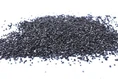


Hey there! As a honeycomb activated carbon supplier, I often get asked a bunch of questions about what our product can and can't do. One question that pops up quite a bit is, "Can honeycomb activated carbon remove lead?" Let's dig into this topic and find out.
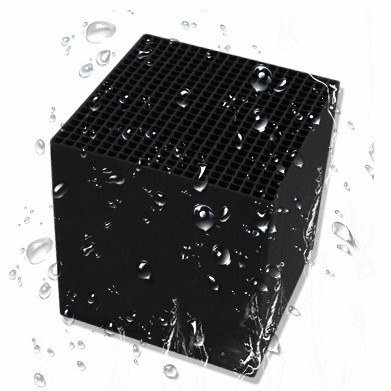
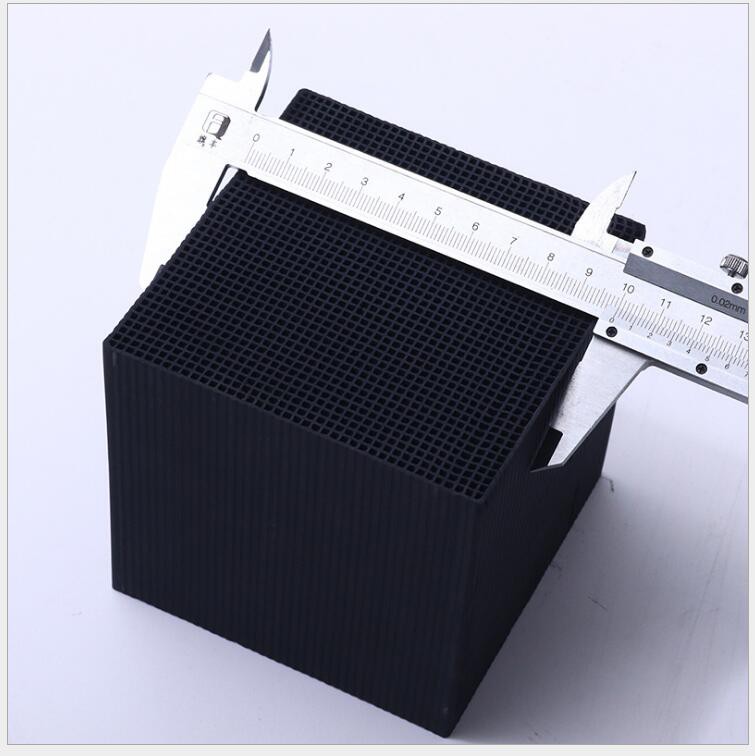
First off, let's talk a bit about honeycomb activated carbon. It's a pretty amazing material. We've got two main types: Common Honeycomb Activated Carbon and Waterproof Honeycomb Activated Carbon. The common type is great for a wide range of applications, and the waterproof one is a real game - changer when you're dealing with wet or humid environments.
Now, back to lead. Lead is a heavy metal that's super toxic. It can cause all sorts of health problems, from damage to the nervous system to learning disabilities in kids. That's why getting rid of lead from the environment is a big deal.
So, how does honeycomb activated carbon work? It's all about its structure. Honeycomb activated carbon has a huge surface area. Picture a honeycomb - it's full of tiny pores. These pores act like little traps. When substances like lead come into contact with the carbon, they can get stuck in these pores through a process called adsorption.
Adsorption is different from absorption. Absorption is like a sponge soaking up water, where the substance is taken inside the material. Adsorption is more like a bug sticking to flypaper. The lead ions or particles attach to the surface of the activated carbon.
But can it really remove lead? The short answer is yes, it can. However, there are a few things that affect how well it works.
One of the key factors is the concentration of lead. If you've got a really high concentration of lead in a solution or gas, honeycomb activated carbon might struggle to remove all of it. It's like trying to catch a whole bunch of fish with a small net. You'll get some, but not all.
The pH level of the environment also matters. Lead exists in different forms depending on the pH. In some pH ranges, lead is more likely to be in a form that can be easily adsorbed by the carbon. In other ranges, it might not stick as well.
Temperature can play a role too. Generally, higher temperatures can speed up the adsorption process, but there's a limit. If it gets too hot, the carbon might start to break down or the lead might desorb (come off the carbon).
The contact time between the lead and the honeycomb activated carbon is important. If the lead is only in contact with the carbon for a short time, there might not be enough time for a significant amount of adsorption to occur. It's like trying to clean a dirty dish with a quick swipe - you're not going to get it very clean.
Let's talk about some real - world applications. In water treatment, honeycomb activated carbon can be used to remove lead from drinking water. Water treatment plants often use a combination of methods, and activated carbon can be a part of that. It can help reduce the lead levels to a safer range.
In industrial settings, where there might be lead emissions from factories, honeycomb activated carbon can be used in air filtration systems. It can trap the lead particles in the air, helping to keep the air clean and reducing the risk of workers being exposed to lead.
Another thing to consider is the lifespan of the honeycomb activated carbon when it comes to lead removal. Once the carbon is saturated with lead (meaning all the pores are filled up), it won't be able to adsorb any more lead. At that point, you'll need to replace or regenerate the carbon.
Regeneration is a process where you remove the lead from the carbon so it can be used again. There are different ways to do this, like using chemicals or heat. But it's not always easy or cost - effective, especially for small - scale operations.
So, if you're thinking about using honeycomb activated carbon to remove lead, here are some tips. First, test the lead concentration in your environment. This will give you an idea of how much carbon you'll need and how often you might need to replace it. Second, make sure you're using the right type of carbon for your application. If you're dealing with a wet environment, the Waterproof Honeycomb Activated Carbon is a better choice.
If you're in the market for honeycomb activated carbon for lead removal or any other application, I'd love to chat. We've got a great range of products that can meet your needs. Whether you're a small business looking to treat a bit of wastewater or a large industrial plant needing to filter exhaust gases, we can help.
Contact us to discuss your specific requirements. We can work with you to figure out the best type of honeycomb activated carbon for your situation, the right quantity, and the most cost - effective solution. Let's work together to make your environment cleaner and safer from lead and other contaminants.
References
- "Adsorption of Heavy Metals by Activated Carbon: A Review" - Journal of Environmental Management
- "Water Treatment Processes for Lead Removal" - American Water Works Association Research Foundation