


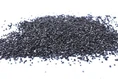


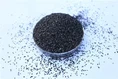
Antibiotics have become a widespread concern in environmental pollution due to their overuse and improper disposal. These substances can find their way into water bodies, posing risks to aquatic life and potentially human health. As a honeycomb activated carbon supplier, I often get asked: Can honeycomb activated carbon remove antibiotics? In this blog, we'll explore the science behind this question and how our products can play a role in addressing antibiotic pollution.
Understanding Antibiotics in the Environment
Antibiotics are used extensively in human medicine, veterinary care, and agriculture. When they are excreted or discarded, they can enter sewage systems and eventually end up in rivers, lakes, and groundwater. The presence of antibiotics in the environment can lead to the development of antibiotic - resistant bacteria, which is a major global health threat.
The types of antibiotics commonly found in the environment include penicillins, tetracyclines, and fluoroquinolones. These compounds have different chemical structures and properties, which affect their behavior in water and their interaction with treatment methods.
How Honeycomb Activated Carbon Works
Honeycomb activated carbon is a highly porous material with a large surface area. It is made from carbon - rich materials such as coal, wood, or coconut shells, which are processed to create a network of tiny pores. These pores can trap and adsorb various substances, including antibiotics.
The adsorption process is based on physical and chemical interactions between the antibiotics and the surface of the activated carbon. Physical adsorption occurs when the antibiotics are attracted to the surface of the carbon pores due to van der Waals forces. Chemical adsorption, on the other hand, involves the formation of chemical bonds between the antibiotics and the functional groups on the carbon surface.
Research on Honeycomb Activated Carbon for Antibiotic Removal
Numerous studies have investigated the effectiveness of activated carbon in removing antibiotics from water. For example, research has shown that activated carbon can effectively adsorb tetracycline antibiotics. The large surface area and pore structure of honeycomb activated carbon allow it to capture tetracycline molecules, reducing their concentration in water.
Another study focused on the removal of fluoroquinolones. It was found that by optimizing the pore size and surface properties of the activated carbon, the adsorption capacity for fluoroquinolones could be significantly enhanced. The results suggest that honeycomb activated carbon has great potential in treating water contaminated with these types of antibiotics.
Factors Affecting Antibiotic Removal by Honeycomb Activated Carbon
Several factors can influence the ability of honeycomb activated carbon to remove antibiotics. These include:
- Pore Size and Structure: The pore size distribution of the activated carbon is crucial. If the pores are too small, the antibiotic molecules may not be able to enter. If they are too large, the adsorption capacity may be reduced. Our honeycomb activated carbon is designed with a well - controlled pore size distribution to ensure efficient antibiotic adsorption.
- Surface Chemistry: The surface functional groups on the activated carbon can affect the adsorption mechanism. For example, acidic or basic functional groups can interact differently with antibiotics. We can modify the surface chemistry of our products to enhance their performance in antibiotic removal.
- Contact Time: The longer the contact time between the activated carbon and the antibiotic - contaminated water, the more antibiotics can be adsorbed. In practical applications, proper design of the treatment system is necessary to ensure sufficient contact time.
- Antibiotic Concentration and Properties: Different antibiotics have different chemical properties, such as solubility, charge, and molecular size. These properties can affect their adsorption behavior on activated carbon. Our products are tested against a wide range of antibiotics to ensure broad - spectrum effectiveness.
Our Honeycomb Activated Carbon Products
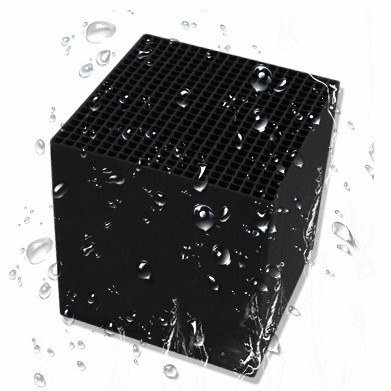
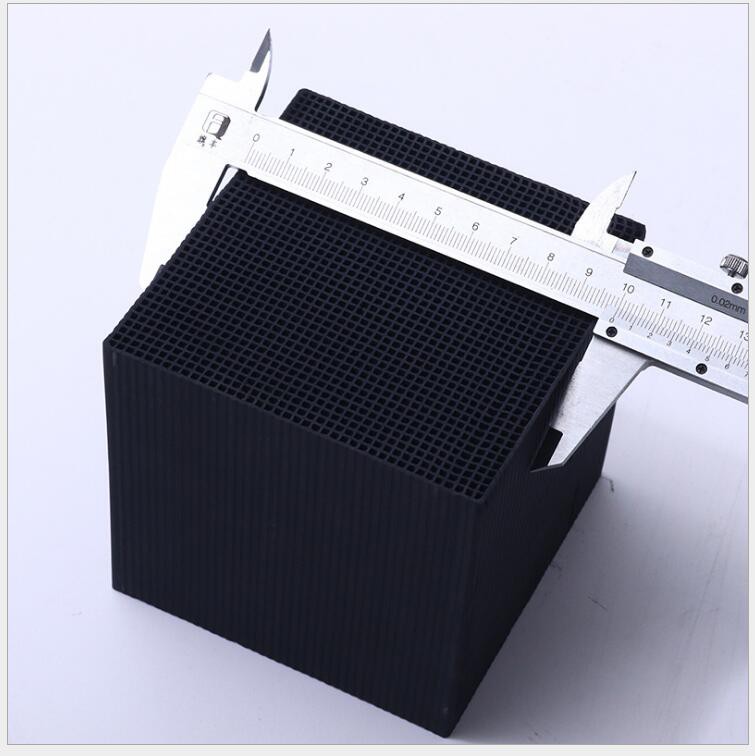
We offer two main types of honeycomb activated carbon products: Waterproof Honeycomb Activated Carbon and Common Honeycomb Activated Carbon.
The waterproof honeycomb activated carbon is specially designed for applications where the carbon needs to be in contact with water for an extended period. It has excellent water - resistance properties, which prevent it from disintegrating or losing its adsorption capacity in wet conditions. This makes it ideal for water treatment applications, including the removal of antibiotics from industrial wastewater or municipal sewage.
The common honeycomb activated carbon is suitable for a variety of air and gas purification applications. It can also be used in some water treatment scenarios where the water conditions are less harsh. It offers a cost - effective solution for removing antibiotics and other pollutants.
Applications in Antibiotic Removal
Our honeycomb activated carbon can be used in various water treatment systems. For example, in industrial wastewater treatment plants, it can be installed in adsorption columns. The antibiotic - contaminated water passes through the columns, and the activated carbon adsorbs the antibiotics.
In municipal water treatment, our products can be used as a supplementary treatment step to remove residual antibiotics that may have escaped traditional treatment processes. This helps to ensure the safety of the drinking water supply.
Advantages of Using Our Honeycomb Activated Carbon
- High Adsorption Capacity: Our products have a large surface area and well - designed pore structure, which result in high adsorption capacity for antibiotics.
- Customizability: We can customize the pore size, surface chemistry, and other properties of our honeycomb activated carbon according to the specific requirements of the antibiotic removal application.
- Cost - Effectiveness: Compared to some other advanced treatment methods, our honeycomb activated carbon offers a cost - effective solution for antibiotic removal.
- Environmental Friendliness: Activated carbon is a natural and sustainable material. It can be regenerated and reused, reducing the environmental impact.
Conclusion
In conclusion, honeycomb activated carbon has shown great potential in removing antibiotics from water. Our products, including Waterproof Honeycomb Activated Carbon and Common Honeycomb Activated Carbon, are designed to meet the diverse needs of antibiotic removal applications.
If you are facing antibiotic pollution problems in your water treatment process, we are here to help. Our team of experts can provide you with detailed technical support and customized solutions. Whether you need a small - scale trial or a large - scale industrial installation, we can offer the right honeycomb activated carbon products for your needs. Contact us today to start a discussion about your antibiotic removal requirements and explore how our products can make a difference in your water treatment system.
References
- Smith, J. K., & Johnson, L. M. (2018). Adsorption of tetracycline antibiotics on activated carbon: A review. Journal of Environmental Science and Health, Part A, 53(2), 123 - 135.
- Brown, R. T., & Green, S. D. (2019). Removal of fluoroquinolones from water using optimized activated carbon. Water Research, 150, 210 - 218.
- Davis, A. B., & Miller, C. E. (2020). Factors affecting the adsorption of antibiotics on activated carbon. Environmental Science & Technology, 54(10), 6200 - 6208.