


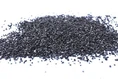


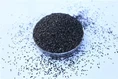
Can grease bleaching activated carbon be used for bleaching rapeseed oil? This is a question that often arises in the oil processing industry. As a supplier of grease bleaching activated carbon, I am well - versed in the properties and applications of this product, and I'm here to provide a comprehensive analysis.
What is Grease Bleaching Activated Carbon?
Grease bleaching activated carbon is a highly porous material with a large surface area. It is produced through a special activation process, which creates a network of tiny pores within the carbon structure. These pores are capable of adsorbing various impurities, including pigments, odorous substances, and some contaminants present in oils and fats. The adsorption mechanism is based on physical and chemical interactions between the activated carbon surface and the target molecules.
Rapeseed Oil and Its Bleaching Requirements
Rapeseed oil is one of the most widely consumed vegetable oils in the world. It is rich in unsaturated fatty acids, which are beneficial for human health. However, crude rapeseed oil contains a variety of impurities, such as phospholipids, free fatty acids, pigments (e.g., chlorophyll and carotenoids), and trace metals. These impurities not only affect the appearance and flavor of the oil but also reduce its stability during storage and processing.
Bleaching is a crucial step in the refining process of rapeseed oil. The main objective of bleaching is to remove the pigments and other impurities to improve the color, clarity, and stability of the oil. Traditionally, bleaching earth has been the most commonly used adsorbent for rapeseed oil bleaching. However, in recent years, there has been an increasing interest in using activated carbon as an alternative or in combination with bleaching earth.
Can Grease Bleaching Activated Carbon Be Used for Rapeseed Oil Bleaching?
The answer is yes, grease bleaching activated carbon can be used for bleaching rapeseed oil. Here are the reasons:
1. Adsorption Capacity
Grease bleaching activated carbon has a high adsorption capacity for a wide range of pigments and impurities. Its large surface area and porous structure allow it to effectively adsorb chlorophyll, carotenoids, and other colored compounds present in rapeseed oil. In addition, it can also adsorb some polar and non - polar impurities, such as free fatty acids and trace metals, which can contribute to the overall improvement of the oil quality.
2. Selectivity
Activated carbon can be designed to have different degrees of selectivity towards different types of impurities. By adjusting the activation process and the raw materials used, we can produce activated carbon with specific pore sizes and surface properties. This allows us to target specific pigments and impurities in rapeseed oil, resulting in a more efficient bleaching process.
3. Compatibility with Other Adsorbents
Grease bleaching activated carbon can be used in combination with bleaching earth. In some cases, using a mixture of activated carbon and bleaching earth can achieve better bleaching results than using either adsorbent alone. The activated carbon can adsorb some of the more difficult - to - remove impurities, while the bleaching earth can provide a high - capacity adsorption for the bulk of the pigments and other contaminants.
Advantages of Using Grease Bleaching Activated Carbon for Rapeseed Oil Bleaching
1. Improved Oil Quality
Using grease bleaching activated carbon can significantly improve the color, clarity, and stability of rapeseed oil. By removing the pigments and other impurities, the oil has a lighter color, better flavor, and longer shelf life. This makes the oil more marketable and suitable for a wider range of applications, such as food processing and biodiesel production.


2. Environmental Benefits
Activated carbon is a natural and renewable material. Compared to some chemical bleaching agents, using activated carbon for rapeseed oil bleaching is more environmentally friendly. It does not produce harmful by - products during the bleaching process, and the spent activated carbon can be regenerated and reused, reducing the overall waste generation.
3. Cost - Effectiveness
In some cases, using grease bleaching activated carbon can be cost - effective. Although the initial cost of activated carbon may be higher than that of bleaching earth, its high adsorption capacity and the potential for regeneration can offset the cost in the long run. Additionally, the improved oil quality can lead to higher market prices, which can further enhance the economic viability of using activated carbon.
Our Product Range
As a leading supplier of grease bleaching activated carbon, we offer a wide range of products to meet the diverse needs of the oil processing industry. In addition to our high - quality grease bleaching activated carbon, we also provide other types of activated carbon products, such as Coconut Shell Water Purification Activated Carbon, Utility Boiler Raw Water Purification Activated Carbon, and Coconut Shell Activated Carbon for Gold Recovery. These products are widely used in water treatment, gold mining, and other industries.
How to Use Grease Bleaching Activated Carbon for Rapeseed Oil Bleaching
The following steps are generally involved in using grease bleaching activated carbon for rapeseed oil bleaching:
1. Pre - treatment of the Oil
Before bleaching, the crude rapeseed oil should be pre - treated to remove the large - sized impurities, such as solids and water. This can be achieved through processes such as degumming, neutralization, and filtration.
2. Mixing the Activated Carbon with the Oil
The appropriate amount of grease bleaching activated carbon is added to the pre - treated rapeseed oil. The amount of activated carbon depends on the quality of the oil and the desired bleaching effect. Generally, a dosage of 0.1% - 2% (w/w) of activated carbon is used.
3. Stirring and Heating
The mixture of oil and activated carbon is stirred and heated to a suitable temperature (usually between 90 - 120°C) for a certain period of time (usually 20 - 60 minutes). This allows the activated carbon to adsorb the impurities effectively.
4. Filtration
After the bleaching process, the mixture is filtered to separate the spent activated carbon from the bleached oil. The filtered oil can then be further processed, such as deodorization, to obtain the final refined rapeseed oil.
Contact Us for Procurement and Consultation
If you are interested in using our grease bleaching activated carbon for rapeseed oil bleaching or have any questions about our products, please feel free to contact us. We have a team of experienced professionals who can provide you with technical support and guidance on the selection and use of our products. We are committed to providing high - quality products and excellent customer service to meet your specific needs.
References
- "Activated Carbon Adsorption Technology" - A comprehensive book on the principles and applications of activated carbon adsorption.
- "Vegetable Oil Refining Processes" - A technical reference on the refining processes of various vegetable oils, including rapeseed oil.
- Research papers on the use of activated carbon in oil bleaching published in relevant scientific journals.