




In the electroplating industry, the stability of the electroplating solution is a critical factor that directly affects the quality and efficiency of the electroplating process. As a leading supplier of Electroplate Special Activated Carbon, I've witnessed firsthand the challenges faced by electroplating operations and the potential solutions our products offer. In this blog, we'll explore the question: Can electroplate special activated carbon improve the stability of the electroplating solution?
Understanding the Electroplating Solution and Its Instability
Electroplating is a process that uses an electric current to deposit a thin layer of metal onto a substrate. The electroplating solution, which contains metal salts, additives, and other chemicals, plays a central role in this process. However, maintaining the stability of the electroplating solution is often a complex task.


Several factors can lead to the instability of the electroplating solution. Organic impurities, such as degradation products from additives, can accumulate over time. These impurities can interfere with the deposition process, leading to poor plating quality, such as uneven coating thickness, rough surfaces, or adhesion problems. Inorganic contaminants, like metal ions from the substrate or the environment, can also cause issues. They may react with the components in the electroplating solution, altering its chemical composition and reducing its effectiveness.
Temperature fluctuations can also impact the stability of the electroplating solution. Different chemical reactions occur at different rates depending on the temperature. Sudden changes in temperature can disrupt the equilibrium of the solution, leading to precipitation of salts or changes in the solubility of additives. Additionally, the presence of oxygen and other gases in the solution can cause oxidation reactions, which may degrade the additives and affect the plating quality.
The Role of Electroplate Special Activated Carbon
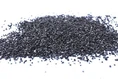
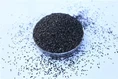
Electroplate special activated carbon is a highly porous material with a large surface area. This unique structure allows it to adsorb a wide range of impurities from the electroplating solution. By removing organic and inorganic contaminants, activated carbon helps to maintain the chemical purity of the solution, which is essential for its stability.
Organic impurities are one of the primary targets of activated carbon in electroplating applications. These impurities can be removed through physical adsorption, where the molecules of the impurities are attracted to the surface of the activated carbon and held there. The large surface area of the activated carbon provides numerous adsorption sites, allowing it to effectively capture a significant amount of organic contaminants.
In addition to organic impurities, activated carbon can also adsorb some inorganic contaminants. For example, it can adsorb metal ions through ion exchange or complexation reactions. By removing these metal ions, activated carbon helps to prevent their interference with the electroplating process and maintain the stability of the solution.
Another important aspect of electroplate special activated carbon is its ability to improve the clarity of the electroplating solution. By removing suspended particles and colloids, activated carbon makes the solution clearer, which is beneficial for the visual inspection of the plating process. A clear solution also allows for better light transmission, which can improve the accuracy of optical sensors used in the electroplating equipment.
Case Studies and Practical Applications
To illustrate the effectiveness of electroplate special activated carbon in improving the stability of the electroplating solution, let's look at some real - world case studies.
In a large - scale electroplating plant that specializes in chrome plating, the electroplating solution was experiencing frequent instability issues. The solution was contaminated with organic impurities from the additives and inorganic contaminants from the substrate. As a result, the plating quality was inconsistent, with many parts having rough surfaces and poor adhesion.
After implementing a filtration system using our electroplate special activated carbon, the situation improved significantly. The activated carbon effectively removed the organic and inorganic contaminants from the solution. The plating quality became more consistent, and the rejection rate of the plated parts decreased by more than 30%. The stability of the electroplating solution also improved, reducing the frequency of solution replacement and saving the plant a substantial amount of money in chemicals and labor costs.
In another case, a small - scale electroplating workshop that focuses on gold plating was facing problems with the color uniformity of the plated parts. The electroplating solution was found to be contaminated with trace amounts of metal ions and organic degradation products. By using our activated carbon in a batch - treatment process, the impurities were removed, and the color uniformity of the plated parts improved. The workshop was able to produce higher - quality products, which increased their customer satisfaction and market competitiveness.
Different Types of Activated Carbon for Electroplating
We offer a variety of activated carbon products specifically designed for electroplating applications. Water Purification AG - Activated Carbon is a high - quality activated carbon that is ideal for removing organic and inorganic impurities from the electroplating solution. It has a high adsorption capacity and can effectively purify the solution, improving its stability.
Nutshell Gold Recovery Carbon is another specialized product. In addition to its role in improving the stability of the electroplating solution, it can also be used for gold recovery from the electroplating waste solution. This not only helps to reduce the environmental impact but also allows for the recycling of valuable metals.
Tail Liquid Recycle Activated Carbon is designed for the treatment of the tail liquid from the electroplating process. It can effectively remove the remaining contaminants from the tail liquid, making it suitable for recycling back into the electroplating process. This helps to conserve water and chemicals, reducing the overall cost of the electroplating operation.
Conclusion and Call to Action
In conclusion, electroplate special activated carbon can indeed improve the stability of the electroplating solution. By removing organic and inorganic contaminants, it helps to maintain the chemical purity of the solution, improve the plating quality, and reduce the frequency of solution replacement. Our company, as a professional supplier of Electroplate Special Activated Carbon, is committed to providing high - quality products and excellent technical support to our customers.
If you are facing challenges with the stability of your electroplating solution or are looking to improve the quality and efficiency of your electroplating process, we invite you to contact us for a detailed consultation. Our team of experts will work with you to understand your specific needs and recommend the most suitable activated carbon products for your application. Let's work together to achieve better electroplating results and a more sustainable electroplating operation.
References
- "Electroplating: Principles and Practices" by Lowenheim, F. A.
- "Activated Carbon Adsorption" by Yang, R. T.
- Industry reports on electroplating solution management and activated carbon applications.