


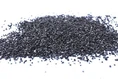


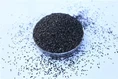
Hey there, fellow aquaculture enthusiasts! I'm a supplier of Electricity High Pure Water Special Activated Carbon, and today, I want to dig deep into the question: Can this special activated carbon be used in aquaculture water treatment?
First off, let's understand what aquaculture water treatment is all about. In aquaculture, maintaining high - quality water is crucial. The water in aquaculture systems can get contaminated with various substances like ammonia, nitrites, heavy metals, and organic pollutants. These contaminants can harm the aquatic organisms, leading to poor growth, diseases, and even death. So, finding effective water treatment methods is a top priority for aquaculturists.
Now, let's talk about our Electricity High Pure Water Special Activated Carbon. Activated carbon is a well - known adsorbent material. It has a large surface area with countless tiny pores, which allows it to trap and hold a wide range of contaminants. This high - purity activated carbon is specially designed for electricity - related high - pure water applications, but can it work in aquaculture?
One of the main advantages of using our activated carbon in aquaculture water treatment is its ability to remove organic pollutants. Organic matter in aquaculture water, such as uneaten feed, fish waste, and decaying plants, can cause a decrease in water quality. It can lead to the growth of harmful bacteria and fungi, and also consume oxygen in the water. Our activated carbon can adsorb these organic substances, helping to keep the water clean and clear.
Another important aspect is the removal of heavy metals. Heavy metals like lead, mercury, and cadmium can be extremely toxic to aquatic life. They can accumulate in the tissues of fish and other aquatic organisms, posing a risk to human health if these contaminated products are consumed. Our Electricity High Pure Water Special Activated Carbon has a high affinity for heavy metals. The porous structure of the carbon provides a large number of adsorption sites for these metal ions, effectively reducing their concentration in the water.
Ammonia and nitrites are also major concerns in aquaculture. Ammonia is produced by the metabolism of fish and the decomposition of organic matter. High levels of ammonia can be toxic to fish, causing stress, reduced growth, and even death. Nitrites are intermediate products in the nitrogen cycle and can also be harmful to aquatic organisms. While activated carbon may not be as effective as some biological filtration methods in removing ammonia and nitrites directly, it can still play a role. By removing organic matter, it can indirectly reduce the production of ammonia and nitrites, as there is less organic material available for decomposition.
When compared to other types of activated carbon used in aquaculture, our Electricity High Pure Water Special Activated Carbon has some unique features. For example, it has a very high purity level. This means that it is less likely to release any unwanted substances into the water, which is crucial for maintaining a stable and healthy aquaculture environment.
Let's also touch on some other related products. We also offer Coconut Shell Activated Carbon for Gold Recovery. Although it's mainly used in the gold - recovery industry, the principles of adsorption are similar. The high - quality coconut shell base provides a good structure for adsorption, and this knowledge can be applied to understand the performance of our aquaculture - relevant activated carbon.
Another product is Utility Boiler Raw Water Purification Activated Carbon. This type of carbon is used to purify the raw water for utility boilers. It has to remove a variety of contaminants to ensure the proper operation of the boilers. The purification requirements are also about maintaining high - quality water, similar to the goals in aquaculture water treatment.
However, it's important to note that using activated carbon in aquaculture is not a one - size - fits - all solution. The effectiveness of the carbon depends on several factors. The flow rate of the water is an important consideration. If the water flows too fast through the carbon filter, the contaminants may not have enough time to be adsorbed. On the other hand, if the flow rate is too slow, it may limit the overall water - treatment capacity.
The amount of activated carbon used also matters. It needs to be properly calculated based on the volume of the aquaculture system and the level of contamination. Over - using activated carbon can be wasteful, while under - using it may not achieve the desired water - treatment results.
In addition, the lifespan of the activated carbon is a factor. Over time, the pores of the carbon will become filled with contaminants, and its adsorption capacity will decrease. Regular replacement or regeneration of the carbon is necessary to maintain its effectiveness.
So, can our Electricity High Pure Water Special Activated Carbon be used in aquaculture water treatment? The answer is yes, with proper consideration of the above - mentioned factors. It can be a valuable addition to an aquaculture water - treatment system, helping to improve water quality and the health of the aquatic organisms.
If you're an aquaculturist looking for an effective water - treatment solution, I encourage you to consider our Electricity High Pure Water Special Activated Carbon. We're here to provide you with high - quality products and professional advice. If you have any questions or are interested in purchasing, feel free to reach out. We can have a detailed discussion about your specific aquaculture needs and how our activated carbon can fit into your water - treatment plan.


References:
- "Aquaculture Water Quality Management" by various authors, which provides in - depth knowledge about the importance of water quality in aquaculture and different treatment methods.
- "Activated Carbon: Adsorption and Applications" for a comprehensive understanding of the properties and applications of activated carbon.